February 26, 2026
by Effat Ara Barat
School will wait. Sleep will wait. Water will not.
When water sits far from home, time drains first from women and girls. Then education slips. Income narrows. Health weakens. Equality thins out quietly.
This is not only a water crisis. It is a fairness crisis.
But, when water comes closer to home, girls return to school. Women sit on management committees. Households breathe easier.
If water shapes daily life, then access to water shapes power. The question is simple. Who carries the burden, and who decides where the next drop will flow?
Imagine!
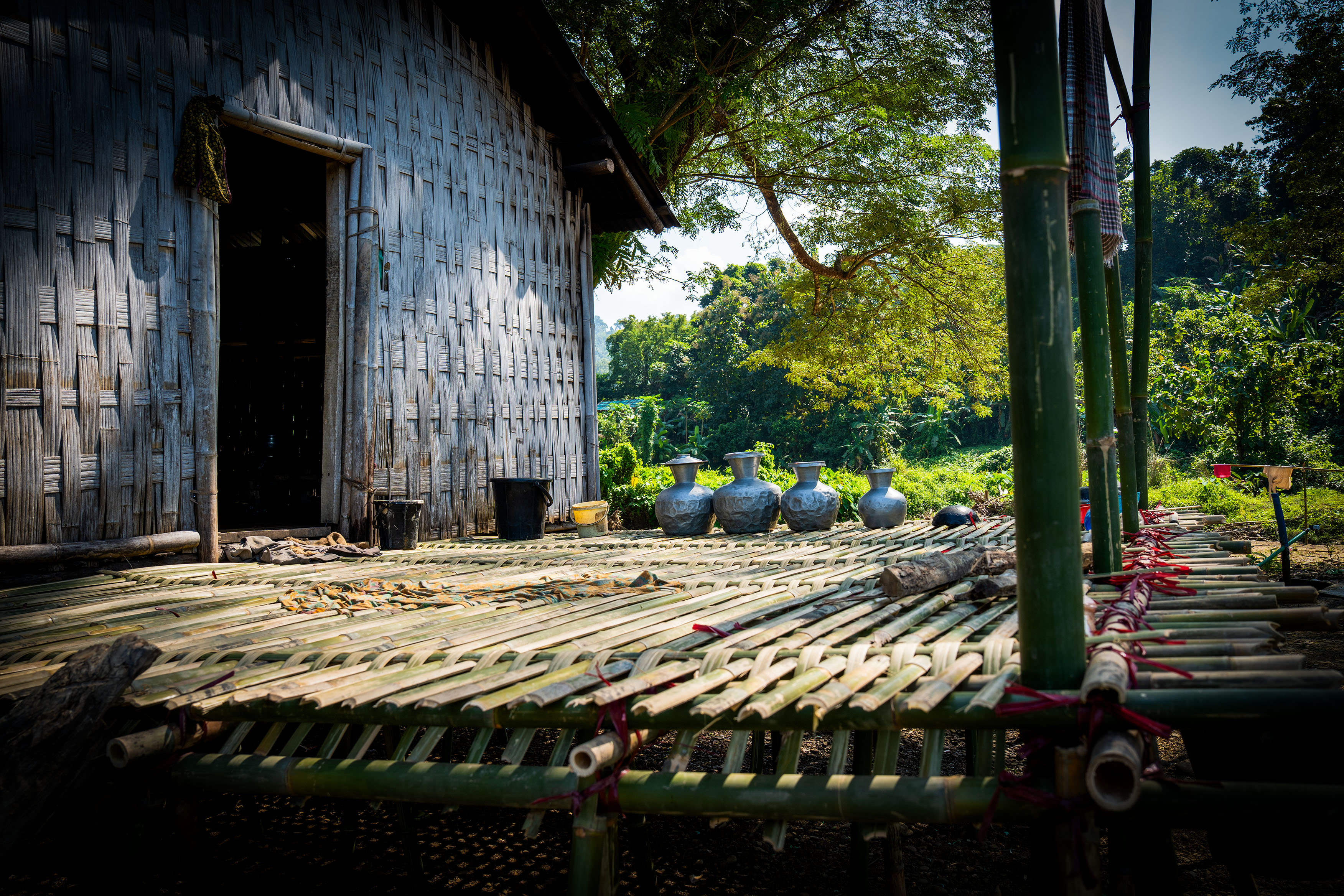
You wake up before sunrise, not to enjoy the serene morning beauty, not for school, not for work but to walk miles just to collect water, to survive another day.
For you, this is just imagination, but for millions of women around the world, this is the harsh reality— an exhausting daily routine.
Every day in about 50 countries, women and girls spend nearly 250 million hours collecting water, over three times more than men and boys (UN Women/UNDESA, 2024).
Water gives life, food, and income. Yet access to water is still unequal and often unsafe. This year’s World Water Day theme “Water and Gender,” with the slogan “Where water flows, equality grows” asks us to look at that unfairness and who pays the price (UN-Water).
Global water crisis and gendered impacts
 © Arannayk Foundation
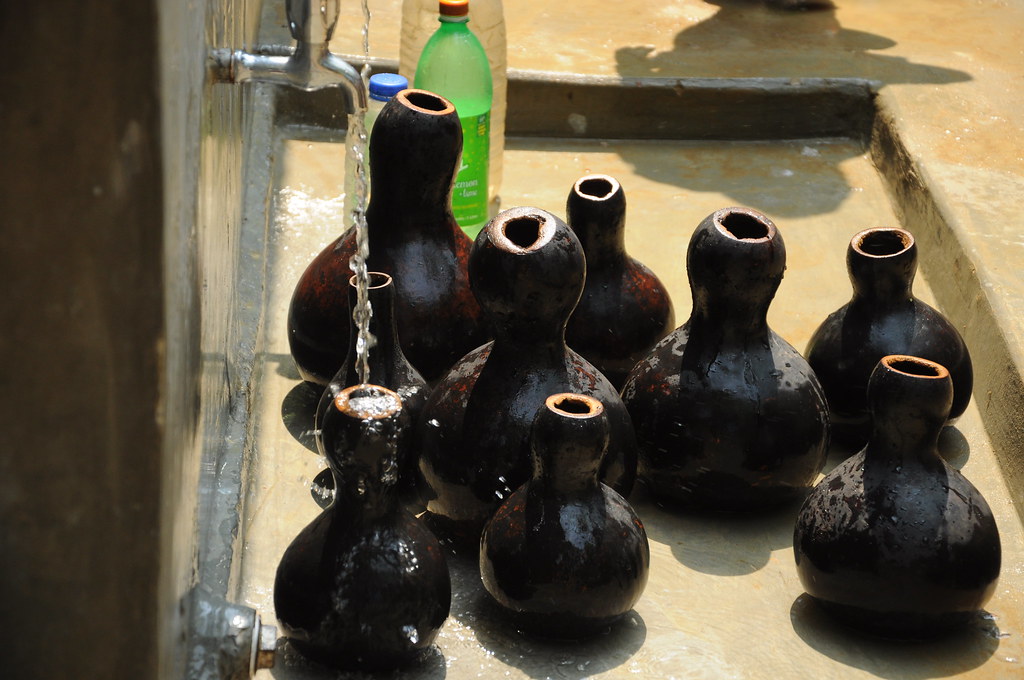
Global data indicates that about one in six people, roughly 1.8 billion, live in households where drinking water must be collected from outside the home. In about 70% of these households, women and girls are primarily responsible for collecting water, limiting time available for education, income generation, or rest (UN Women, 2024).
Around 2.2 billion people lack safely managed drinking water, and nearly half of the global population lacks hygienic sanitation. Climate change-driven droughts affected more than 1.4 billion people between 2002 and 2021, and projections suggest global freshwater demand may exceed supply by forty percent by 2030 (The Guardian, 2024).
Scenario in Bangladesh
 © Arannayk Foundation
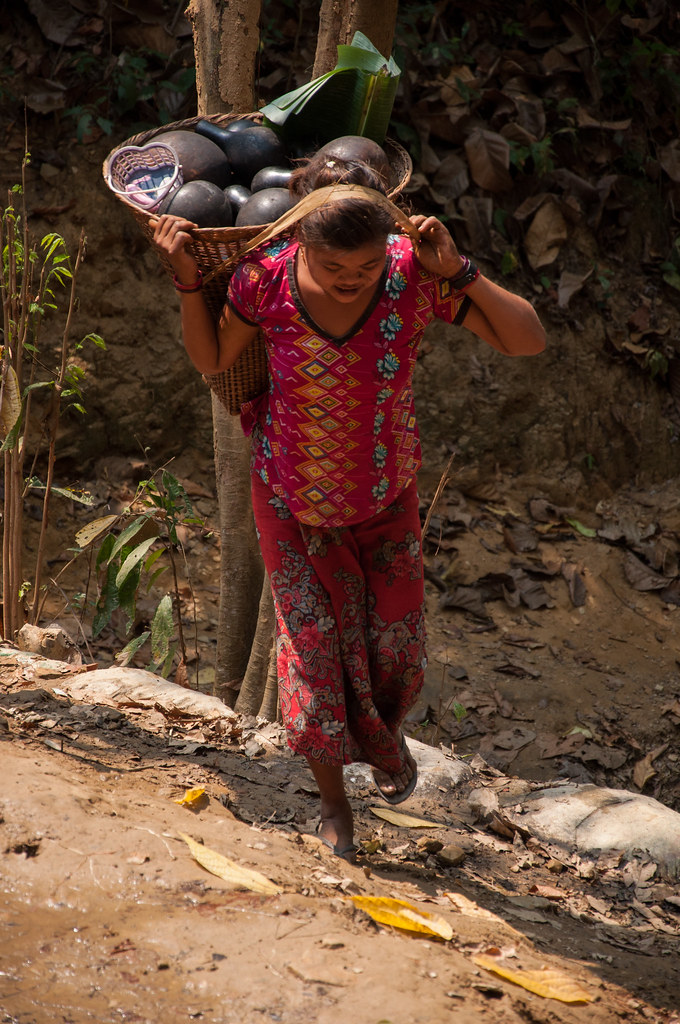
Bangladesh faces challenges not only in water access but also in water quality. Women and girls in Bangladesh spend more than ten times as much time fetching water as men, and they are significantly more likely to be responsible for household water collection (Dhaka Tribune, 2023).
Which is seven times higher, while compared globally.
The time spent on water collection directly competes with time in school or studying, limiting girls’ future opportunities (The Daily Star, 2025). Travel to distant sources exposes them to physical strain, health risks, and security concerns, demonstrating how environmental problems translate into gendered impacts. According to a research published in the open access journal Global Health Action, the salinity of drinking water in coastal Bangladesh currently affects almost 20 million people. Hundreds of women and girls in Satkhira and Khulna experience reproductive health issues, skin conditions, and urinary tract infections as a result of increasing salinity.
Water crisis in CHT and Cox’s Bazar
In Chittagong Hill Tracts (CHT), water was once accessible in the steep area. However, for the last 5 to 10 years, there has been a major water issue. Only 39% of residents in Khagrachari, 49% in Bandarban, and 65% in Rangamati districts presently have access to clean drinking water, compared to 98% in other regions of the nation, according to data from the Public Health Engineering Department (DPHE) (Lee et al., 2017). According to Chakma et al. (2020), the majority of respondents (89%) cited deforestation as the primary cause of the water crisis.
Since most of the springs and streams in the Rangamati and Khagrachhari districts of the Chittagong Hill Tracts are drying up, many of the communities in these regions are experiencing a severe water shortage. The situation is so bad that even after digging up to 150 feet, no groundwater could be found in some of the springs. They used to rely on natural water sources, such as springs and streams, for drinking water and for everyday tasks like bathing and washing, but in the past five years, many of these have dried up (The Daily Star, 2018). Tribal people use clay or plastic buckets that are 10 to 15 liters in size and travel for hours to fetch water from springs that are around 1 to 2.5 kilometers from the community.
It has been observed that ethnic people only use an average of 5 liters of water each day, but each person needs at least 50 liters for drinking, cooking, washing, and bathing. People gather water from the little hole during the rainy season. Locally, this is referred to as "pat-kuai," and indigenous people believe that the water from the well is safe and pure (Khan et al., 2015).
Adjacent to CHT, Cox’s Bazar, the south-eastern coastal city has also been experiencing a significant decline in groundwater levels, which is causing concerns about an upcoming severe water crisis. The situation is particularly bad in Teknaf, Ukhiya, and the municipality of Cox's Bazar, according to the Department of Public Health Engineering.
They also reported that unprepared management and uncontrolled extraction have caused groundwater levels in Cox's Bazar municipality to decline by 6 to 14 feet every year. The current water depths in places like Kolatoli and Tekpara range from 90 to 110 feet. The over-extraction in Ukhiya and Teknaf, which are close to the Rohingya camps, has made the situation even more problematic. Water is currently found in depths of 100 –110 feet, dropping 8 –14 feet a year in parts of the Rajapalong and Palongkhali unions of Ukhiya. Water levels have decreased by an average of 2 to 5 feet every year, and are currently 40 to 60 feet in Jhilongja and Bharuakhali in Sadar upazila, 25 to 45 feet in Eidgaon, 20 to 28 feet in Ramu, 20 to 40 feet in Chakaria, and 12 to 40 feet in Pekua (The Daily Star, 2025).
Arannayk Foundation’s Initiatives to Turn Water Stress into Community Strength
 © Arannayk Foundation/Arifur Rahman
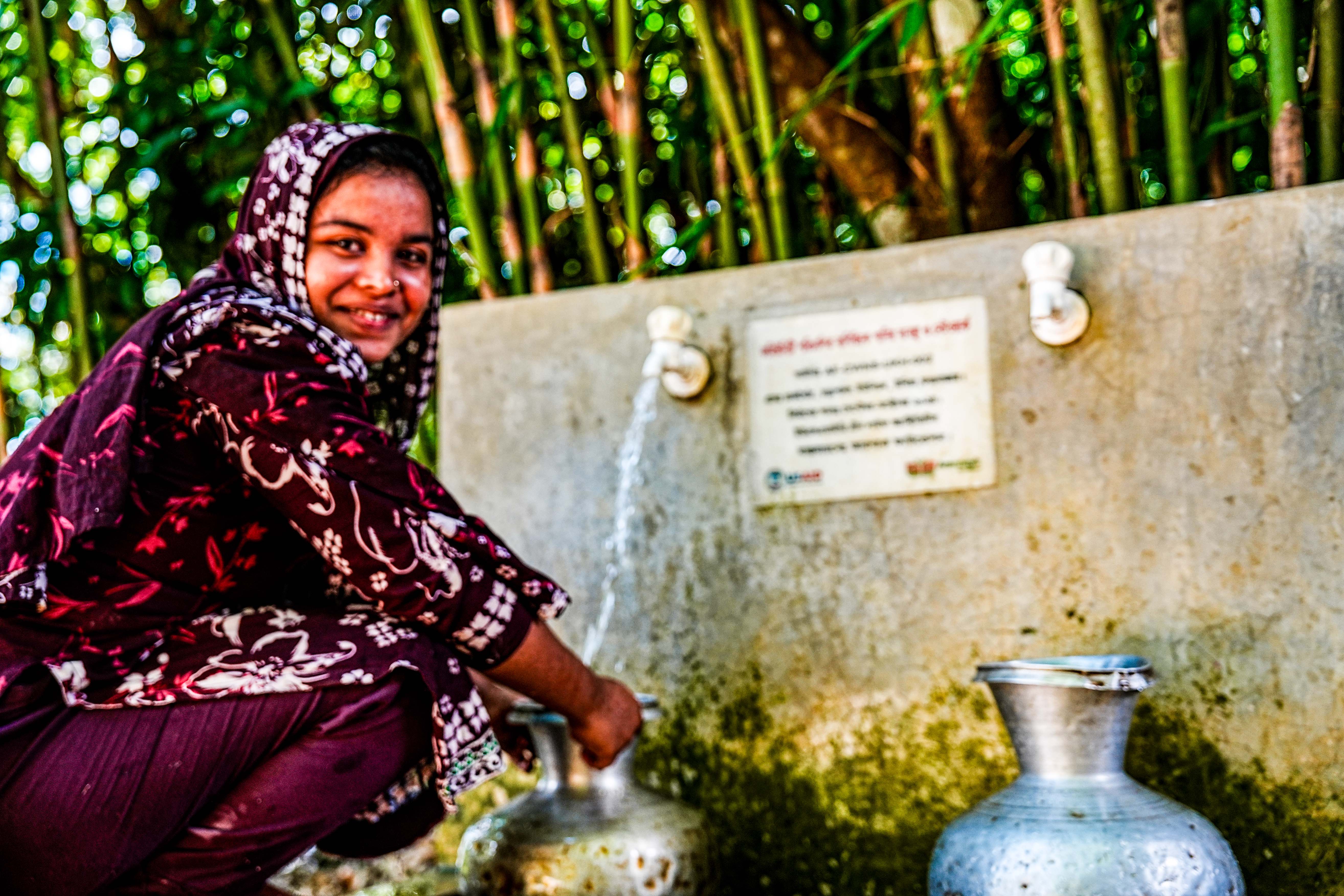
In Ukhiya, where groundwater levels are falling and safe water is becoming harder to find, Arannayk Foundation stepped in with a practical yet people-centered solution under the USAID-supported GREEN LIFE project. In Swankhali, when water tests showed high iron content and unsafe drinking standards, the team chose not to compromise. The system was relocated to Chakboitha village in Ratnapalong Union, where a deep borewell was successfully drilled between 900 and 970 feet, ensuring both safe quality and enough quantity of water. A 7,500-litre storage tank now supports the system, which will be managed by a local committee so that the community itself can oversee operations and financial sustainability. Alongside this commercial initiative, six community-managed deep tubewell water supply systems have been established across Ratnapalong, Haldiapalong, and Jaliapalong unions, directly benefiting 1,850 people. These are not just water points, they are locally owned systems built on shared responsibility, cost-sharing, and community governance, that ensures access to safe water continues long after the project ends.
Further in response to the water crisis in the Chittagong Hill Tracts (CHTs), Arannayk Foundation, in collaboration with the International Centre for Integrated Mountain Development (ICIMOD), is implementing a project titled Integrated Climate Adaptation Solution for the Hindu Kush Himalayan Region (HI-CAS). The project aims to implement an integrated climate adaptation solution package in two pilot sites: one in Bandarban and another in Khagrachari. A six-step spring shed management approach is breathing new life into degraded springs. The process starts with mapping and protecting key recharge zones, followed by planting native trees that help the soil retain moisture and replenish groundwater. Communities play a central role, with hands-on training and capacity-building initiatives that empower them to care for their local springs over the long term. Gender equality and social inclusion (GESI) are woven into every step, ensuring that women share equally in decision-making and that the burden of water scarcity is not shouldered disproportionately.
Together, these efforts are helping restore water sources while strengthening community resilience and sustainability, also reinforcing Arannayk Foundation’s commitment in shaping the world into a better one to live.
Ahead of this year’s World Water Day, Arannayk Foundation’s initiative reclaims that, where water flows, equality has a real chance to grow.
* The opinions expressed here are the author’s own and do not represent the official views of Arannayk Foundation.
Effat Ara Barat is an intern at HR & Wellbeing Unit of Arannayk Foundation
Related Stories
Comments