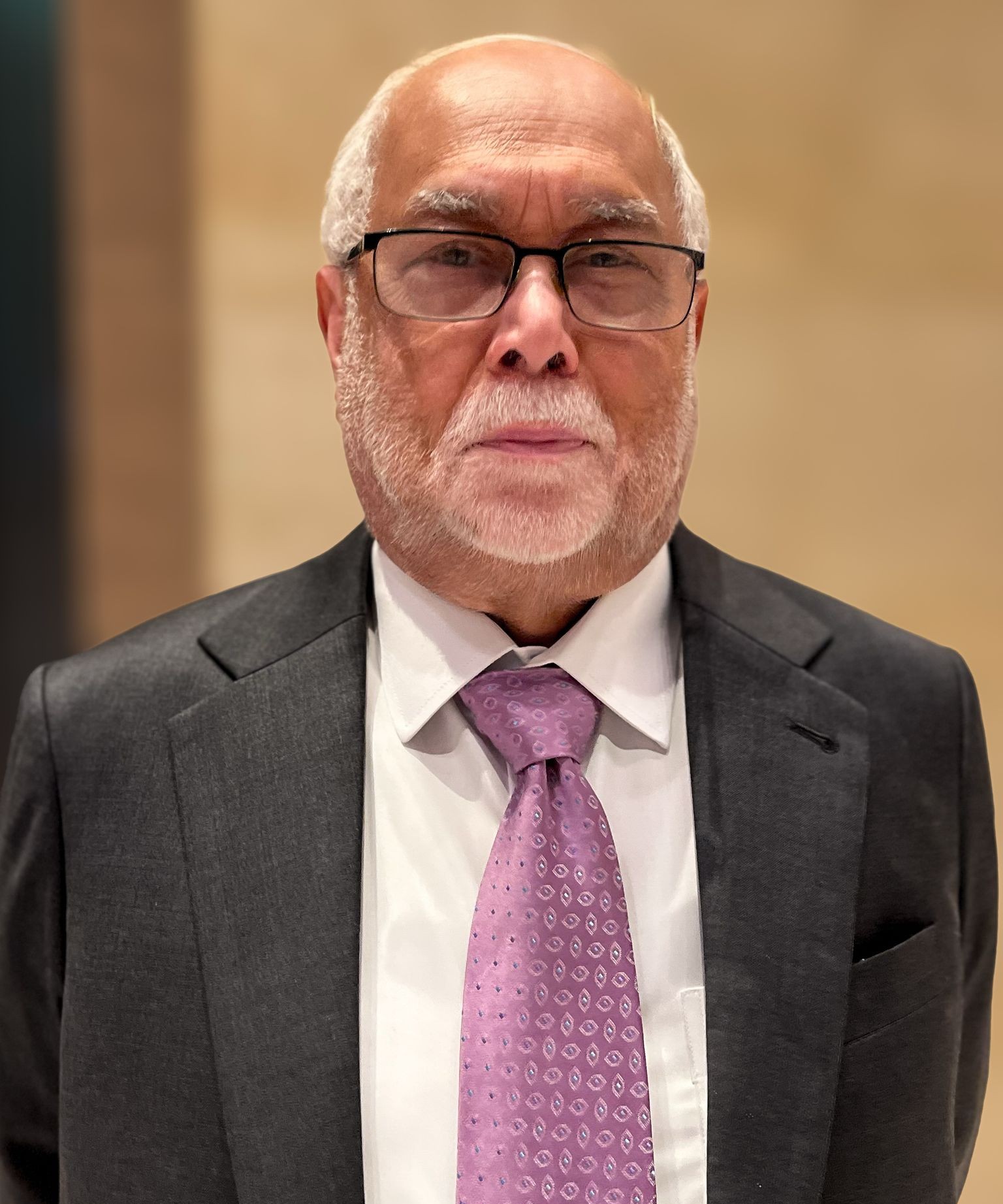
 © Dr Mohammed Zakir Hussain
During the year a major emphasis was given on strengthening capacity for measuring and sustaining results. A shift was made on a shift from expanding activities to deepening impact, and clear results were observed. Special attention was given to how communities maintain gains, how institutions carry forward new practices and how ecological outcomes outlasts individual project cycles. This focus has helped reinforce Arannayk Foundation’s credibility and preparedness for the years ahead.
- Dr Mohammed Zakir Hussain, Chairperson, Board of Directors
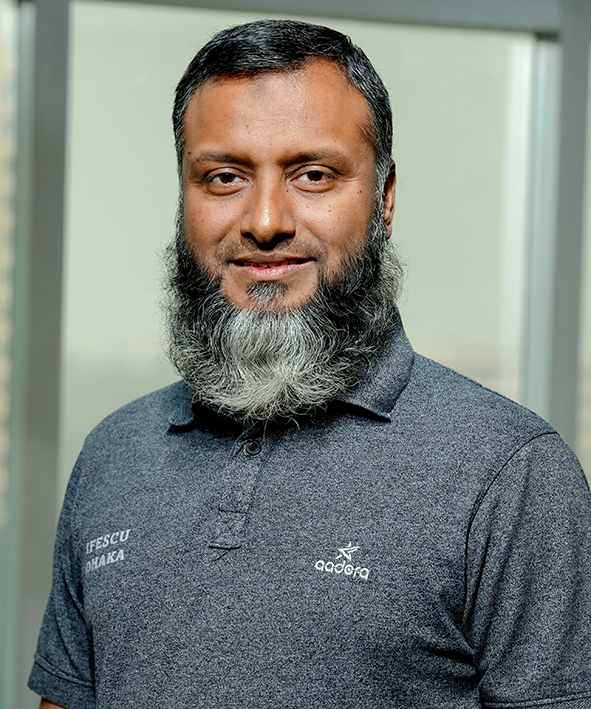 © Arifur Rahman
We expanded restoration work across several priority landscapes, including the degraded former shrimp-estate areas of Chakaria. We advanced the country’s first initiative to identify Other Effective Area-Based Conservation Measures (OECMs), opening new avenues for inclusive and science-based
conservation. Our transboundary collaboration with India progressed through the Beyond Border initiative, focusing on securing big-cat habitats across the Chittagong Hill Tracts and Mizoram landscape.
- Dr Mohammad Abdul Motaleb, Executive Director
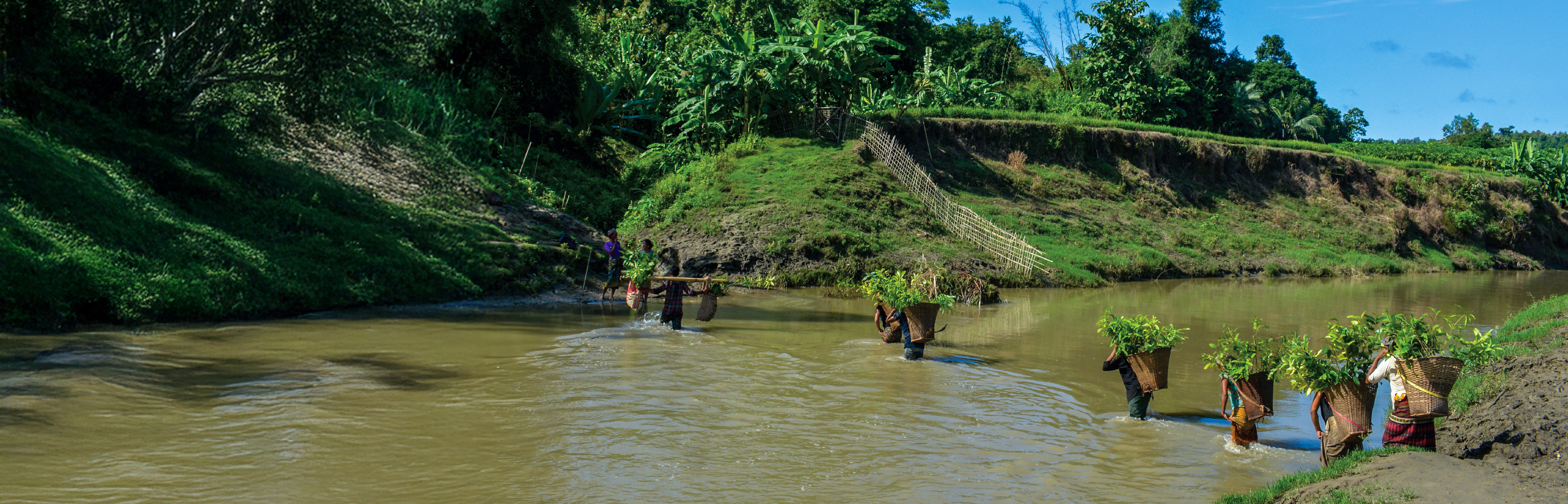
RESTORING LANDSCAPES, REVIVING BIODIVERSITY
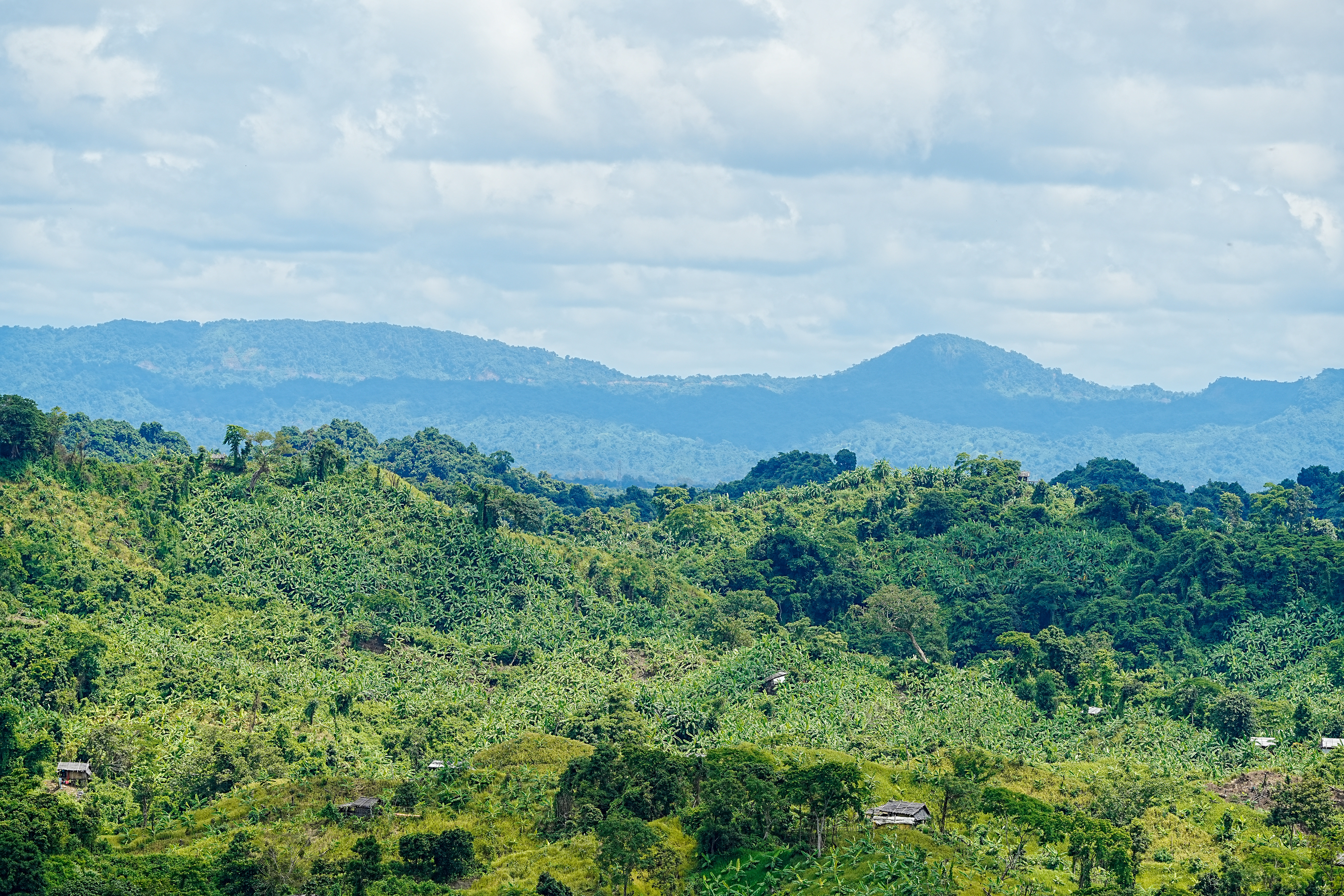
Over the past twenty years, Arannayk Foundation has helped revive some of Bangladesh’s most fragile landscapes, restoring forests, protecting wildlife, and improving the management of nearly 20,000 ha of land. Community-led actions, from managing Human Wildlife Conflict (HWC) to improving access to clean water and climate smart livelihoods, are reshaping how local people protect the land they
rely on. Together, these efforts are laying the groundwork for long-term ecological resilience across the CHT, Cox’s Bazar, and the Sundarbans.
SAFEGUARDING THREATENED WILDLIFE THROUGH COMMUNITY ENGAGEMENT
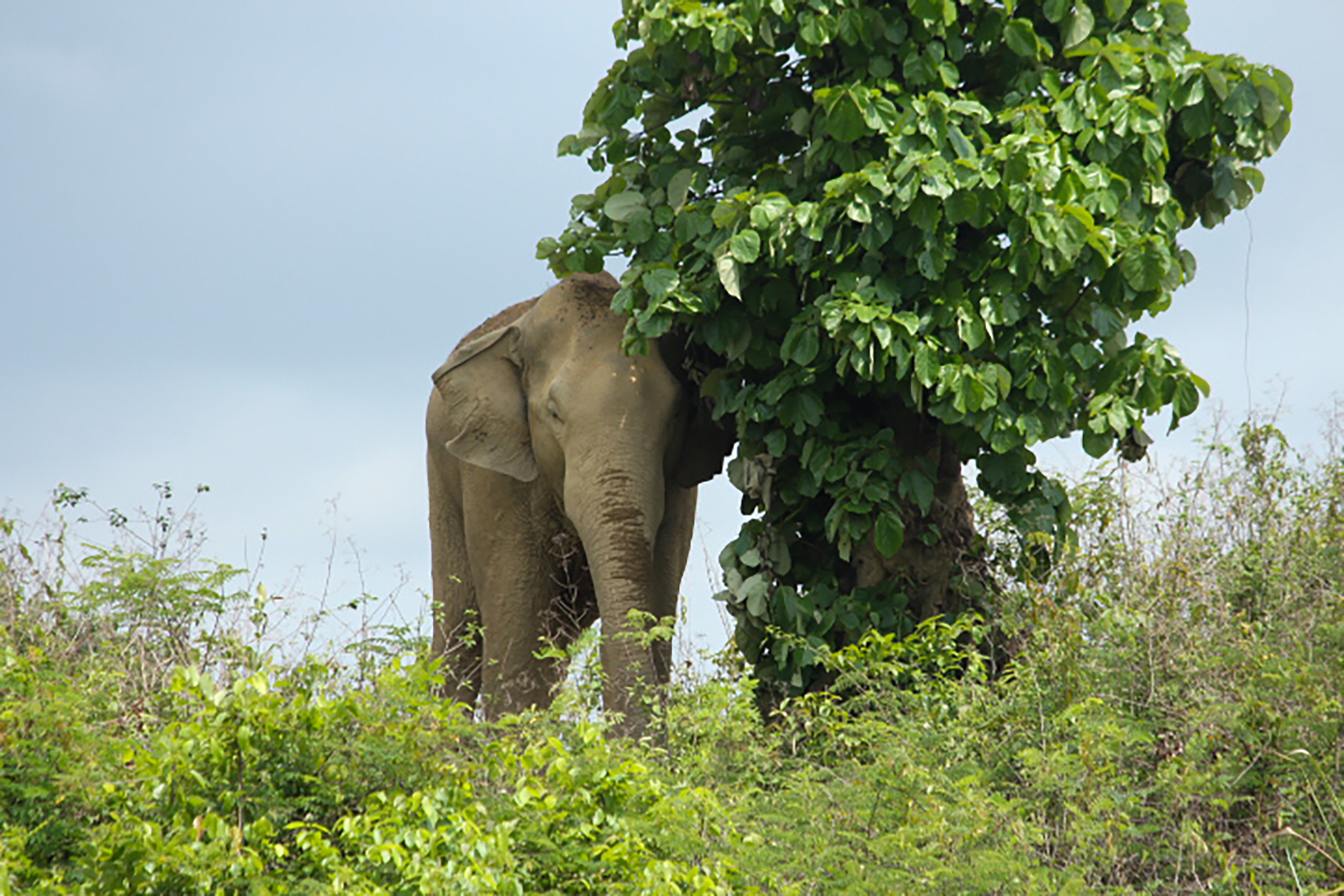
Wildlife management in Bangladesh no longer happens in remote forests alone. It unfolds in villages, fishing grounds, forest edges, and coastlines where people and wildlife cross paths every day. As habitat shrinks and pressure grows, conservation has shifted from guarding animals at a distance to managing risk, trust, and
coexistence on the ground. This is where Arannayk Foundation works, turning conflict zones into shared spaces and conservation from an idea into daily practice.
EMPOWERING PEOPLE FOR SUSTAINABLE CHANGE
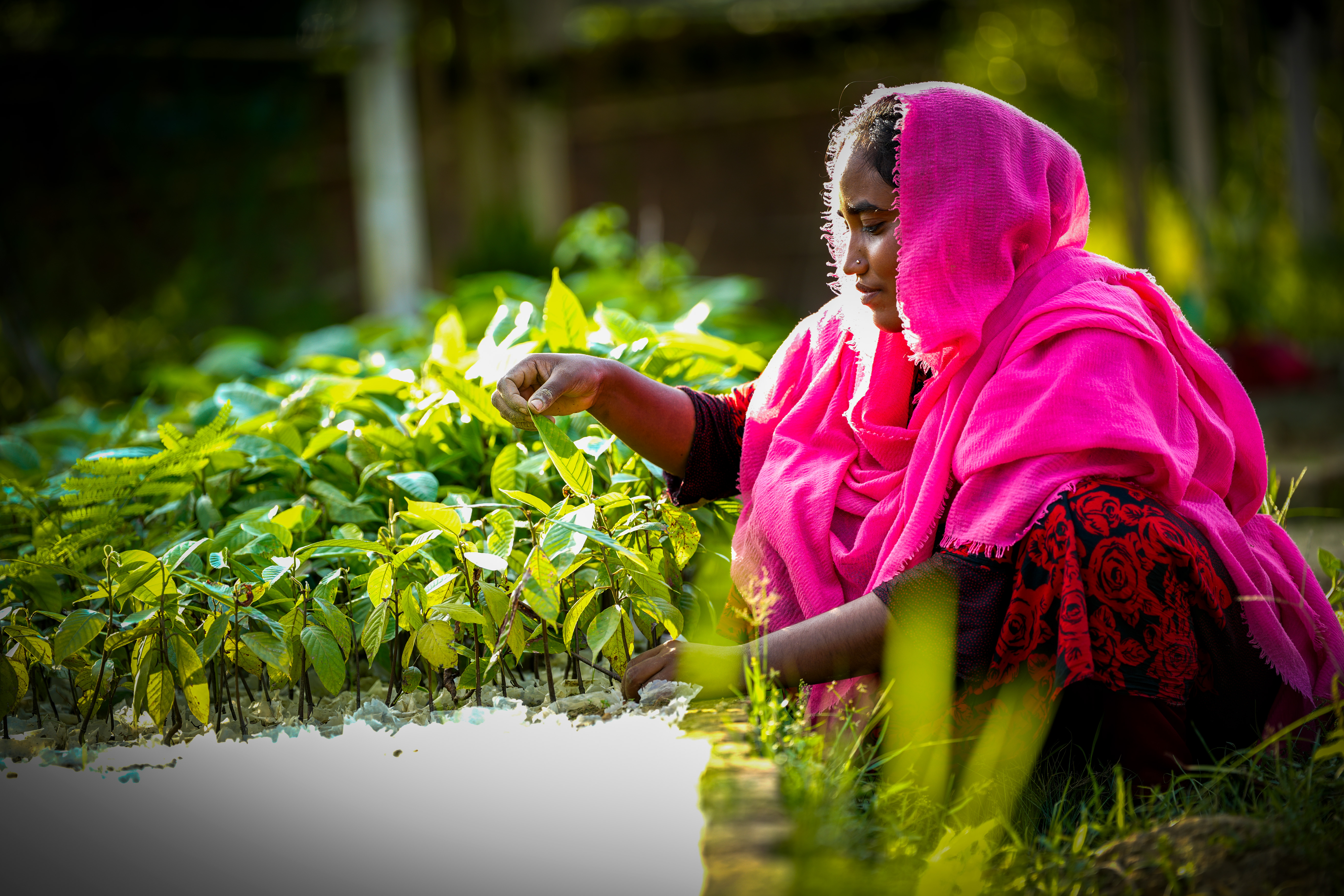
Across villages, hills, wetlands, and mangrove edges, communities are taking on a larger role in shaping the health of their landscapes. Their leadership is restoring forests, protecting wildlife, and rebuilding ecosystems that once faced severe decline. People are gaining the tools to manage resources more sustainably through training, local governance, youth engagement, and cleaner livelihood options. What emerges is a shared model of stewardship that strengthens both nature and community resilience, setting a stable foundation for long-term environmental recovery.
CONSERVATION BEYOND BORDER
From strengthening national conservation systems to working across shared landscapes, Arannayk Foundation’s journey shows how conservation must move beyond political boundaries to succeed. What began as science-based forest management in Bangladesh has grown into regional climate action and transboundary wildlife protection. By linking ecosystems, institutions, and communities across borders, Arannayk is shaping a new model of conservation where landscapes stay connected and nature is protected as a whole.
GENDER, CLIMATE AND INCLUSIVE DEVELOPMENT
From forest patrols to coastal communities and hill landscapes, women and marginalized groups are stepping into leadership roles that shape how climate risks are addressed. Their influence spans restoration, safety, and social protection efforts. At the national level, Arannayk Foundation is embedding gender equity directly into climate action, strengthening institutions to plan and govern more inclusively. The result is a more just and resilient approach to adaptation.
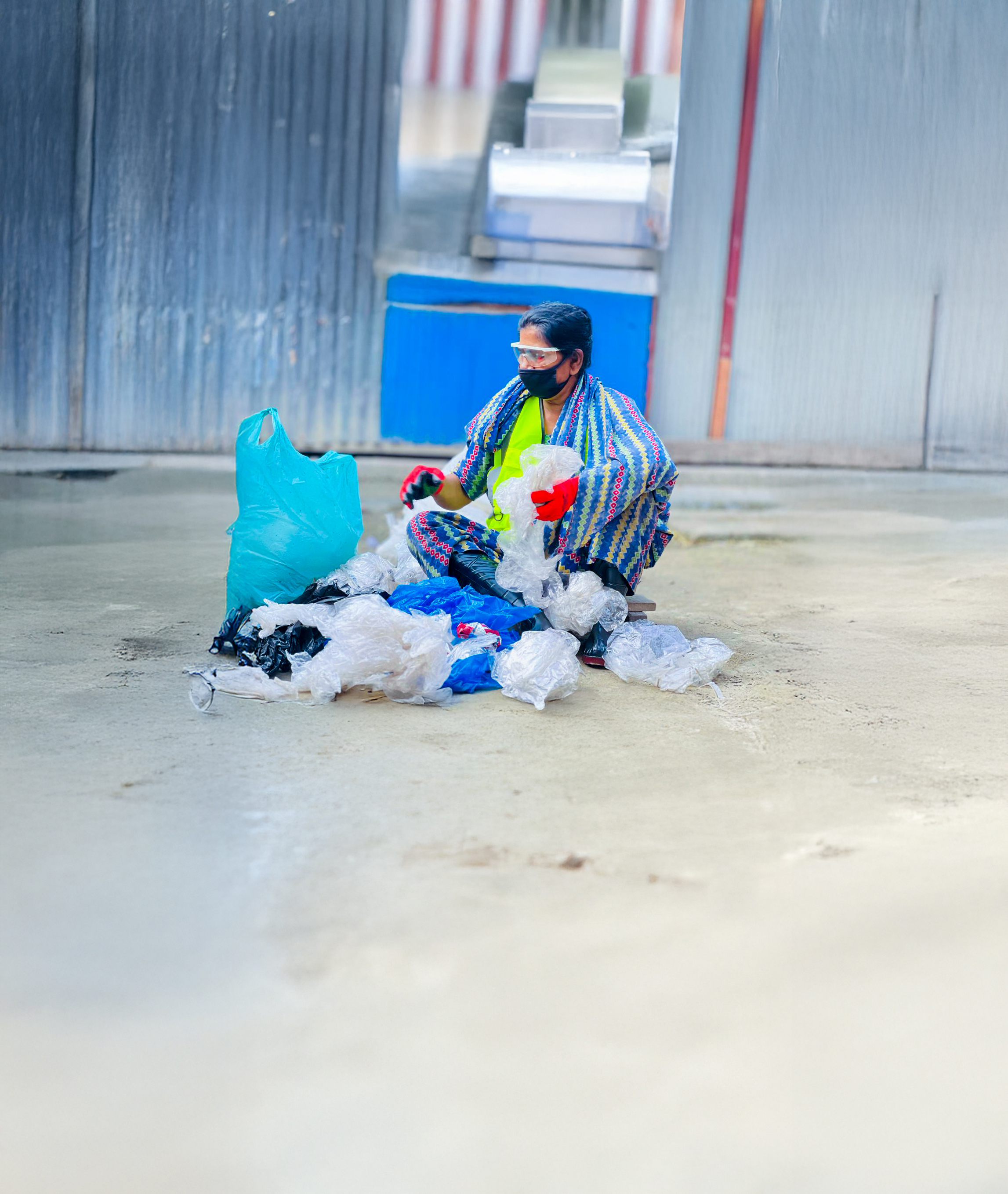
Plastic pollution is reshaping rivers, forests, and coastal ecosystems, but it is also reshaping how communities respond. By turning waste into a source of value, Arannayk Foundation is showing how circular solutions can reduce environmental pressure while creating livelihoods. This approach connects people, markets, and
ecosystems, offering a new pathway where cleaner environments and inclusive green growth move forward together.
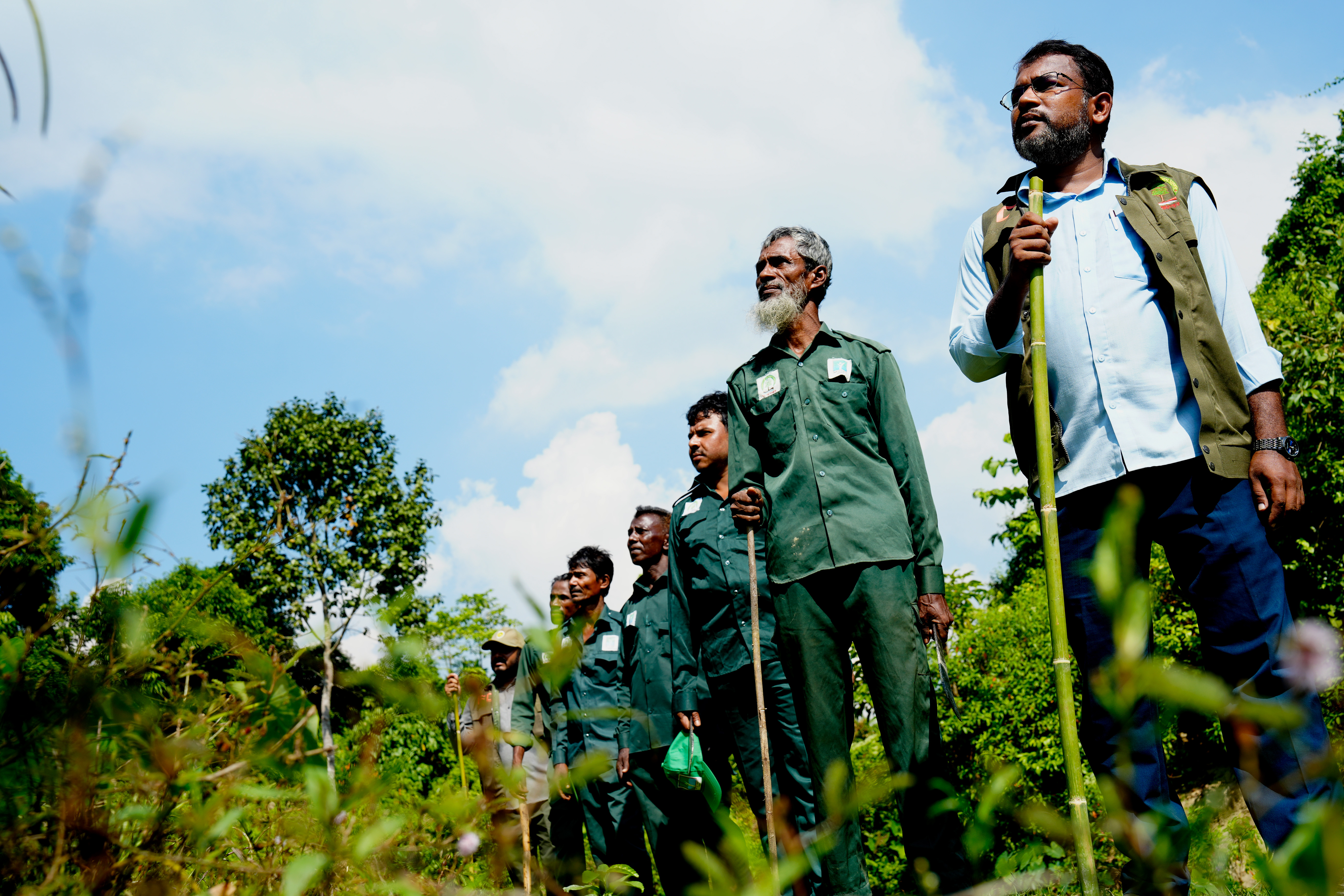
STRENGTHENING FRONTLINES AGAINST WILDLIFE CRIME
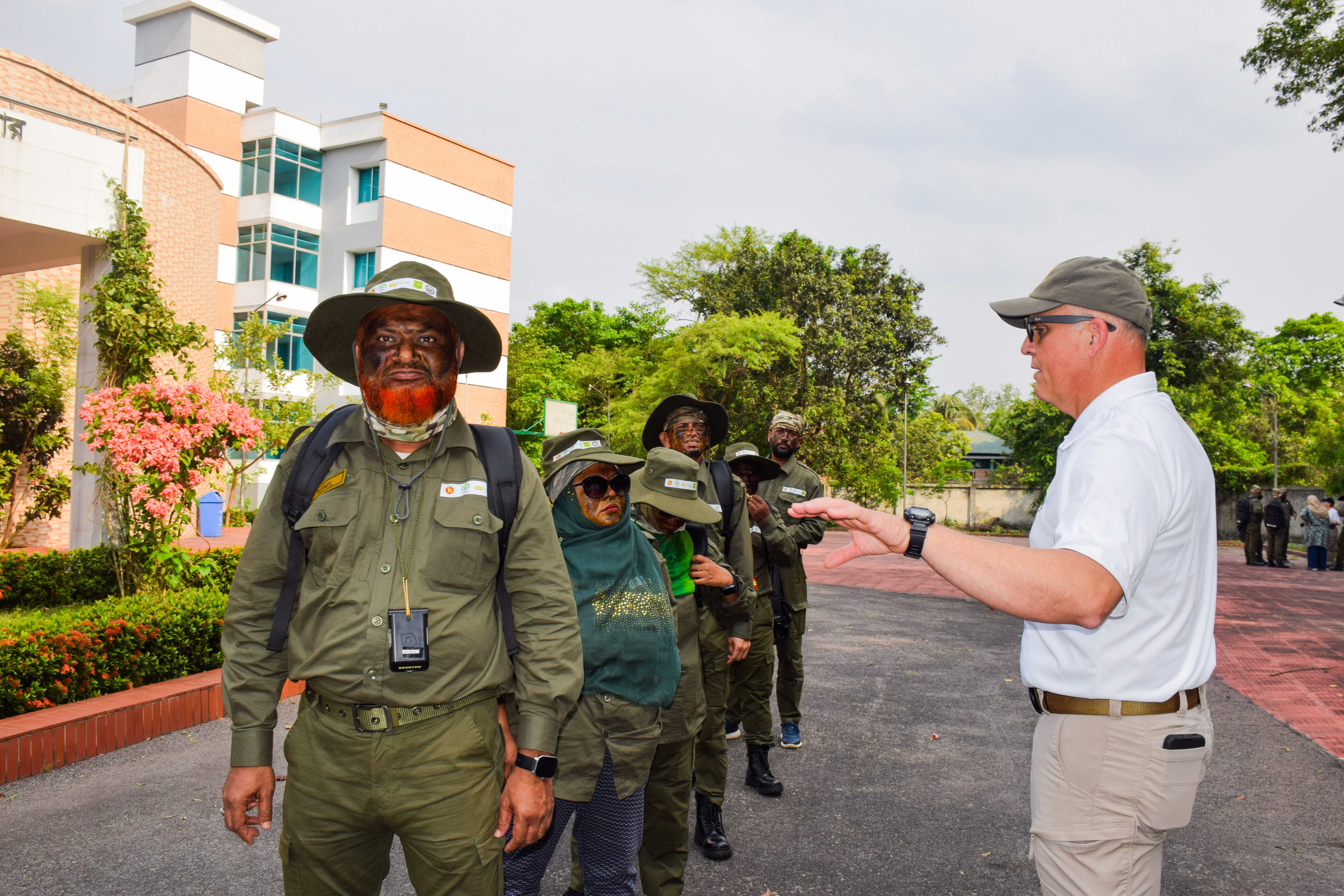
Wildlife crime threatens more than species. It undermines ecosystems, weakens governance, and disrupts the livelihoods of forest-dependent communities. Arannayk Foundation is addressing this challenge by strengthening enforcement systems, building frontline capacity, and improving coordination among institutions
and communities.
Through data-driven patrols, targeted training, and collaboration with national and international partners, wildlife protection is becoming more effective, systematic, and resilient.
PROTECTED AREA MANAGEMENT: FROM PROTECTION TO PRACTICE
Protected Area (PA) remains the backbone of Bangladesh’s biodiversity conservation. By strengthening governance, restoring habitats, and placing communities at the center of stewardship, Arannayk Foundation is helping these landscapes withstand growing environmental pressures. This approach moves beyond protection on paper, building resilient systems where forests, wildlife, and forest-dependent communities can thrive together.