
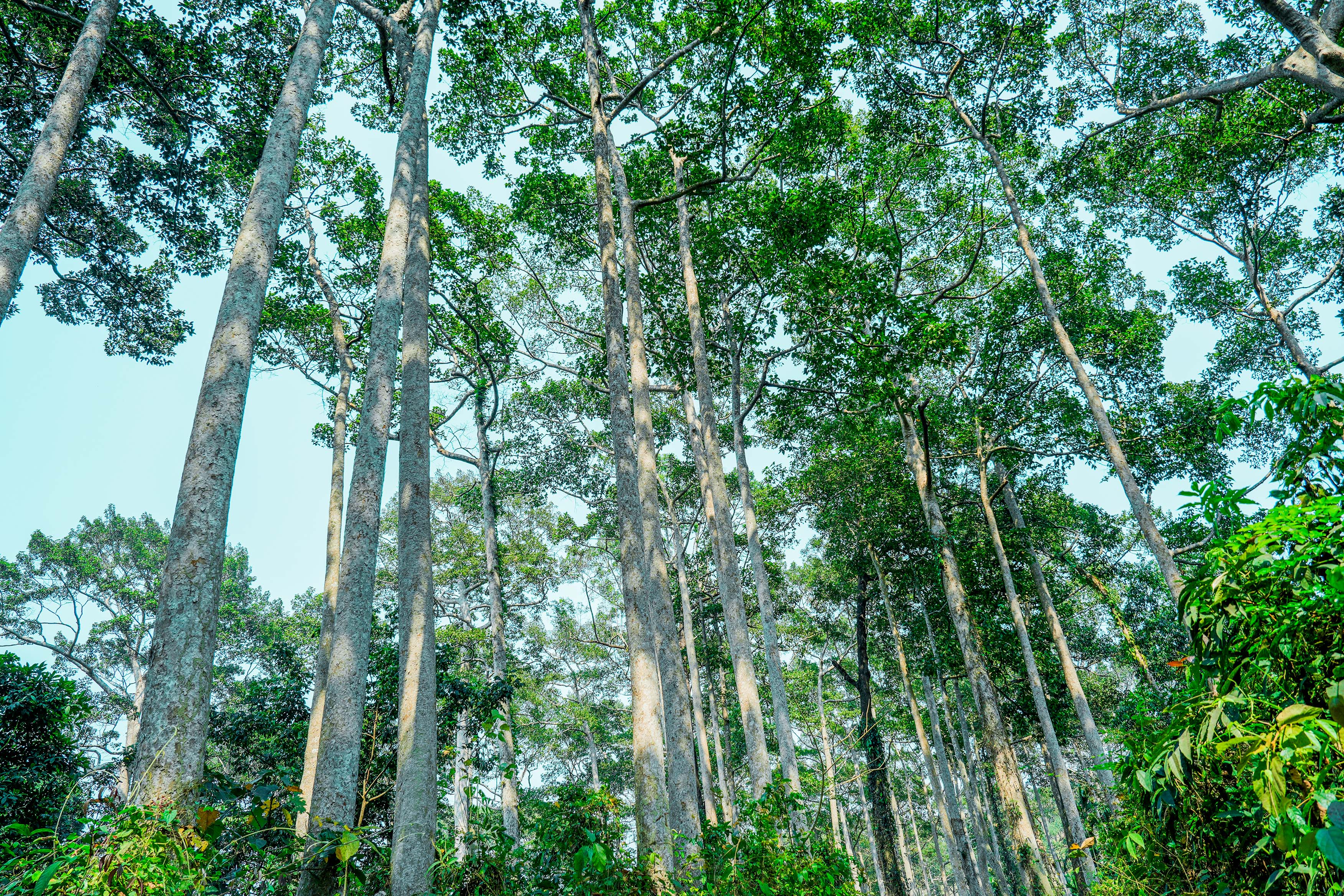
 © Arannayk Foundation/Arifur Rahman
Forests rarely enter economic debates, yet they carry more weight than most sectors we measure. This year’s theme of International Day of Forests 2026, “Forests and Economies,” brings that contradiction into focus. While policies chase growth through industry and infrastructure, forests continue to do the quiet work. They steady livelihoods, reduce disaster risk, and keep rural economies from slipping. Across places like the Sundarbans, hills, swamps and Sal forests this role is not abstract. It is protection, income, and resilience built into the landscape itself, often overlooked, rarely counted, but constantly at work.
“Can intact forests serve as the structural foundation of economic resilience and human well‑being?” This provocative question sits at the heart of 21 March 2026, International Day of Forests, a day designated by the United Nations to recognize forests’ critical ecological, social, and economic roles.
The 2026 theme, “Forests and Economies,” challenges us to see forests not only as ecological treasures but as essential economic infrastructure that sustains livelihoods, strengthens communities, and underpins national prosperity (FAO, 2025).
Forests are living systems that generate far-reaching economic benefits. Scientific research demonstrates that they contribute to economies in multiple ways:
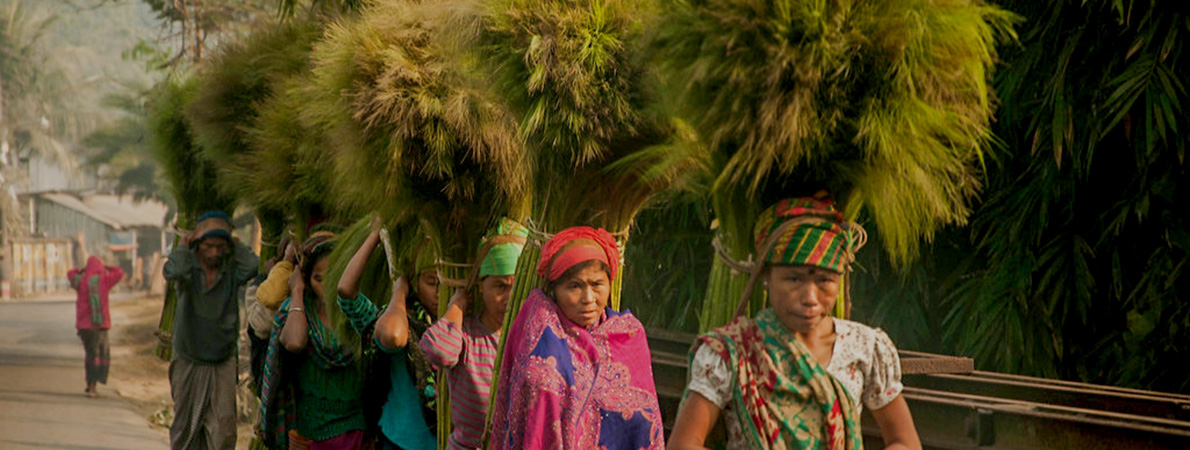 Community people extracting non-timber forest products. © Arannayk Foundation photo library
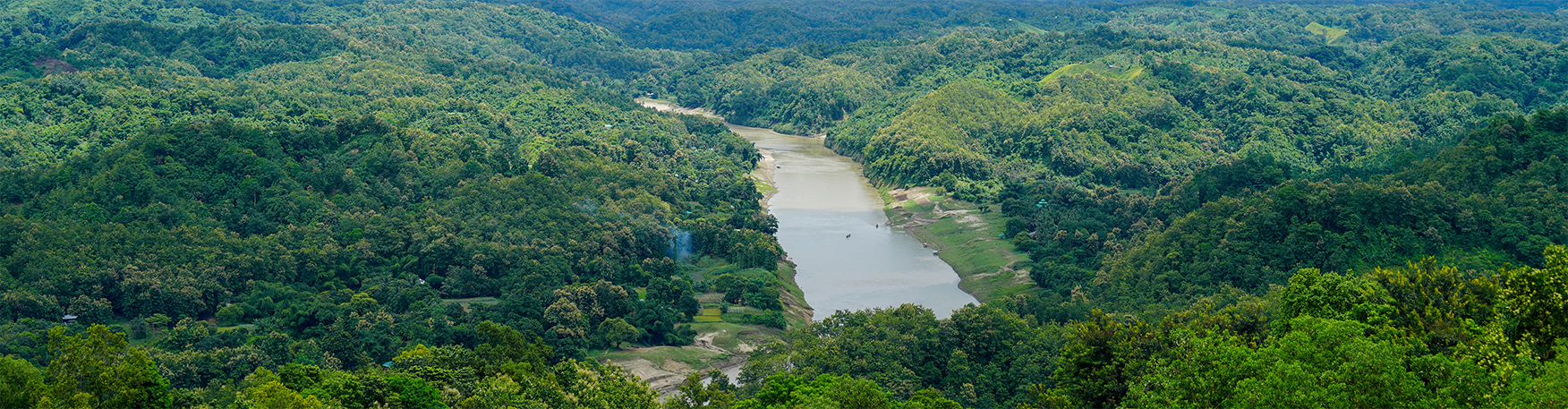
In Bangladesh, forests occupy a relatively small portion of the national landscape, yet their ecological and economic significance is profound. The country’s forest ecosystems including the Sundarbans mangrove forest, hill forests of the Chattogram Hill Tracts (CHT), and sal forests of central Bangladesh support biodiversity, climate resilience, and rural livelihoods. According to the Food and Agriculture Organization (FAO), forests cover approximately 14-15% of Bangladesh’s total land area, providing resources and ecosystem services that directly support millions of people living in forest-adjacent communities (FAO, 2020).
For many rural households, forests function as an essential safety net. Non-timber forest products such as fuelwood, honey, medicinal plants, and bamboo contribute significantly to household income and subsistence needs, particularly in marginalised and climate-vulnerable regions (Mukul et al., 2016). At the same time, Bangladesh’s forests play a crucial role in climate change mitigation and disaster risk reduction. The Sundarbans, for instance, acts as a natural barrier against cyclones and storm surges while storing substantial amounts of blue carbon within its mangrove ecosystems (Alongi, 2012).
However, Bangladesh’s forests also face considerable pressure from population density, land conversion, and resource extraction. These challenges highlight the importance of sustainable forest governance, community participation, and landscape-level conservation initiatives. Strengthening community stewardship and integrating forest conservation into broader development strategies will be essential for ensuring that forests continue to support both biodiversity and human well-being in Bangladesh.
In the face of climate change, biodiversity loss, and social inequalities, the 2026 focus on “Forests and Economies” is timely and necessary. Forests are not just conservation targets they are solutions for resilient, sustainable development. Forests mitigate climate impacts by sequestering carbon and regulating local climates, reducing vulnerability for agriculture and communities (IPCC, 2022). Forest-linked value chains provide diverse incomes and improve food security, especially for marginalized populations (Shackleton et al., 2011). Forest biomass supports renewable materials and energy, bridging ecological sustainability with economic innovation.
This theme aligns with global commitments, including the UN Strategic Plan for Forests 2030 and the Sustainable Development Goals, highlighting forests as integral to economic and social planning.
 A Community Patrol Group (CPG) member is on duty at the Inani National Park in Cox's Bazar. © Arannayk Foundation photo library
At Arannayk Foundation, our field experience confirms these principles. Our projects focus on forest restoration, biodiversity conservation, and community-based resource management, revealing how ecological health and economic well-being are inseparable:
These outcomes echo global research showing that community engagement and equitable benefit-sharing are essential for both conservation and economic development (Charnley & Poe, 2007).
The International Day of Forests is more than symbolic; it’s a reminder that valuing forests as economic partners is essential. For policymakers and conservation professionals, this means:
Preserving ecological integrity while advancing socio-economic prosperity is not optional, it is foundational to long-term sustainability.
Forests as Economic Catalysts
In my professional experience, forests are dynamic agents of opportunity, not static backdrops. When managed sustainably, they support livelihoods, inspire leadership, and strengthen communities.
As we observe International Day of Forests 2026, the theme “Forests and Economies” invites us to rethink forests as central pillars of prosperity, resilience, and equity. Let us commit to policies and practices that elevate forests from environmental appendages to core economic partners in building a sustainable future.
References
1. Alongi, D. M. (2012). Carbon sequestration in mangrove forests. Carbon Management, 3(3), 313–322.
2. Angelsen, A., et al. (2014). Environmental Income and Rural Livelihoods: A Global Comparative Analysis. World Development.
3. Charnley, S. & Poe, M. (2007). Community Forestry in Theory and Practice: Where Are We Now? Annual Review of Anthropology.
4. Costanza, R., et al. (2017). Twenty Years of Ecosystem Services: How Valuation Matters. Ecological Economics.
5. FAO (2020). Global Forest Resources Assessment 2020: Bangladesh Country Report. Food and Agriculture Organization of the United Nations.
6. FAO (2022). State of the World’s Forests. Food and Agriculture Organization of the United Nations.
7. FAO (2025). International Day of Forests 2026 Theme Brief.
8. IPCC (2022). Climate Change 2022: Mitigation of Climate Change. Intergovernmental Panel on Climate Change.
9. Mukul, S. A., Herbohn, J., & Firn, J. (2016). Co-benefits of biodiversity conservation and carbon storage in community-managed forests of Bangladesh. Environmental Conservation, 43(2), 165–174.
10. Shackleton, S., et al. (2011). Non-Timber Forest Products in the Global Context. Springer.
11. World Bank (2024). Forests and Economic Development Report. World Bank Group.
* The opinions expressed here are the author’s own and do not represent the official views of Arannayk Foundation.

Comments
I was looking for guidance on identifying valuable coins, and most sources were too general.
On this website I found useful guides about coins, their history, and their value. It helped me better understand how to evaluate coins.
It’s worth visiting this website if you’re interested in coin collecting or want reliable information about numismatics.
when I came across https://groshi.xyz.
I was looking for details about rare and collectible coins, and most sources were too general.
On this website I found practical insights about coins, their history, and their value. It helped me better understand basic principles of numismatics.
It’s worth visiting this website if you’re interested in coin collecting or want reliable information about numismatics.
looking for answers I discovered https://znayka.com.ua.
I couldn’t find practical upgrade instructions on most websites. Many sources were incomplete.
On this site I found clear explanations about RAM compatibility, along with images that made everything much easier to understand.
It’s worth visiting this platform if you want reliable information about laptops and hardware upgrades.