September 30, 2026
by Mohammad Shamsuddoha
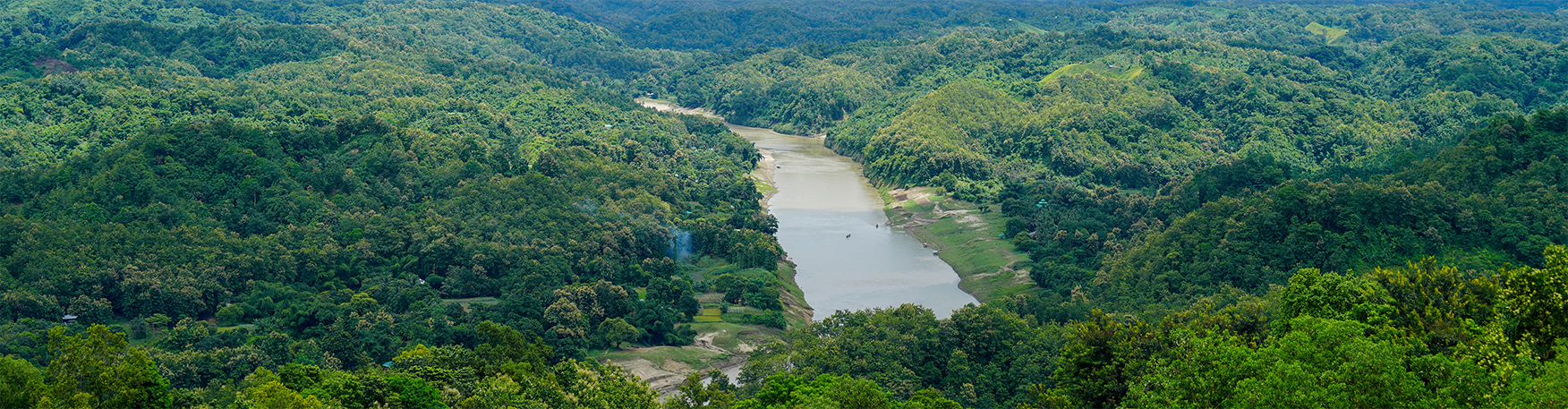
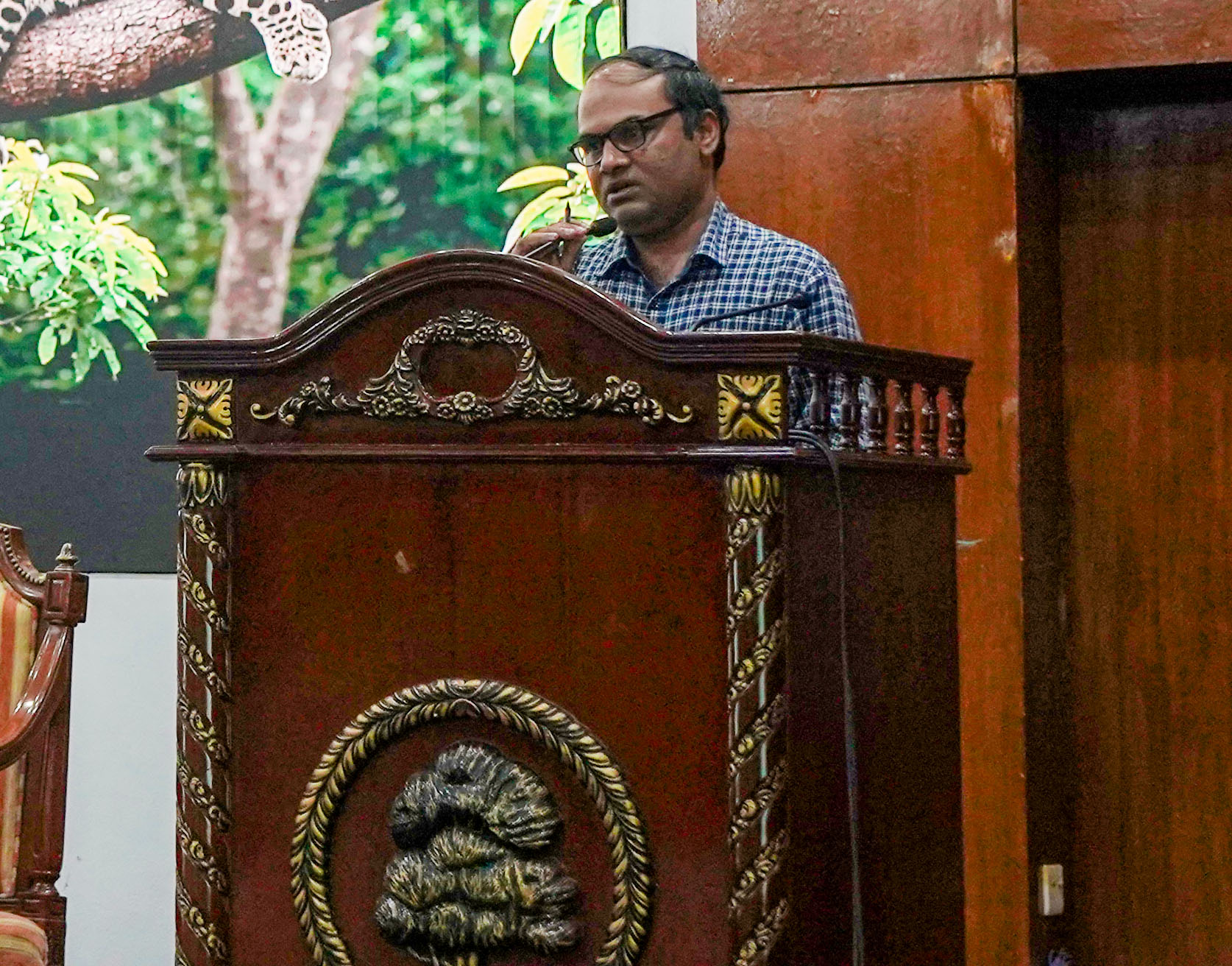
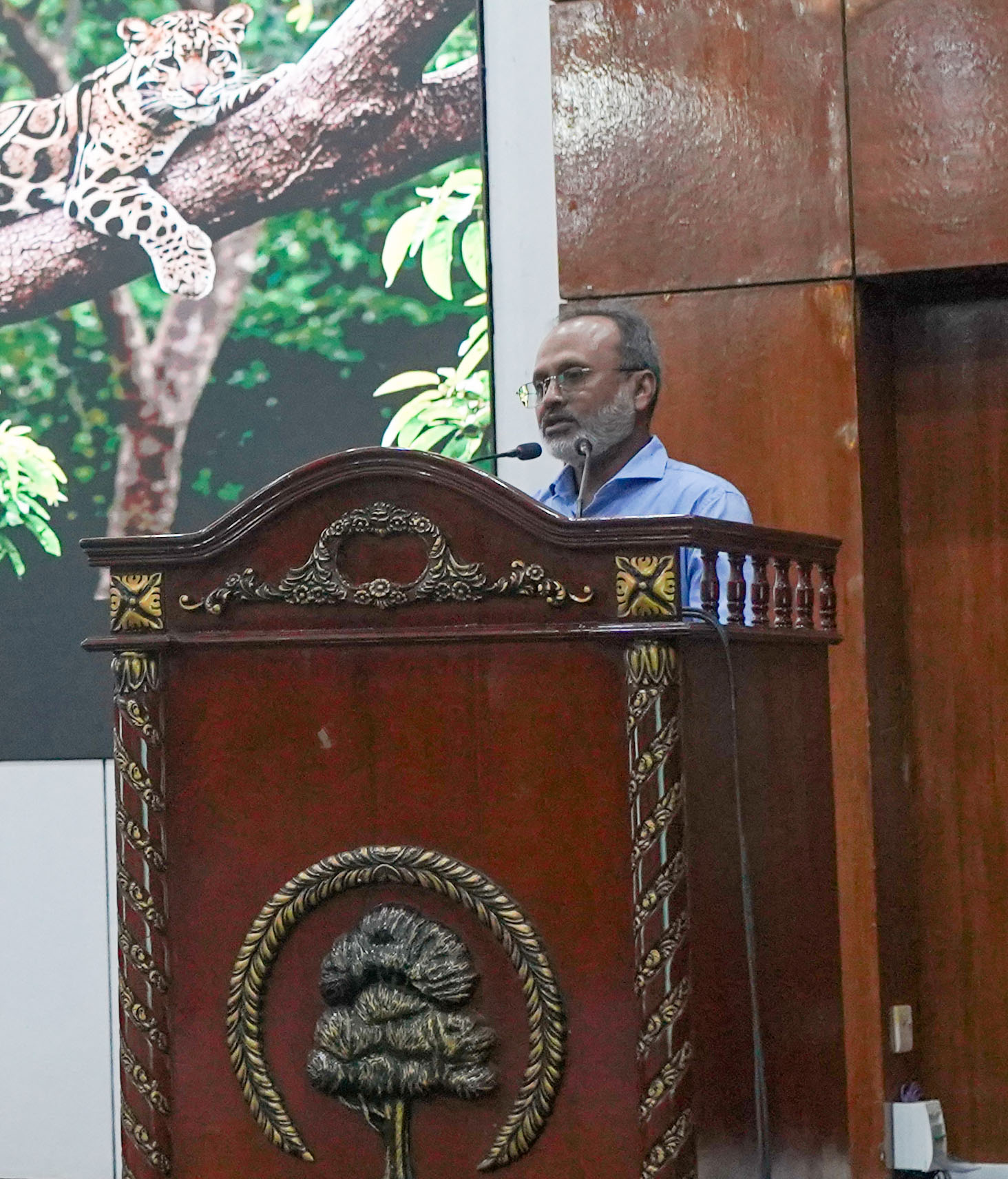
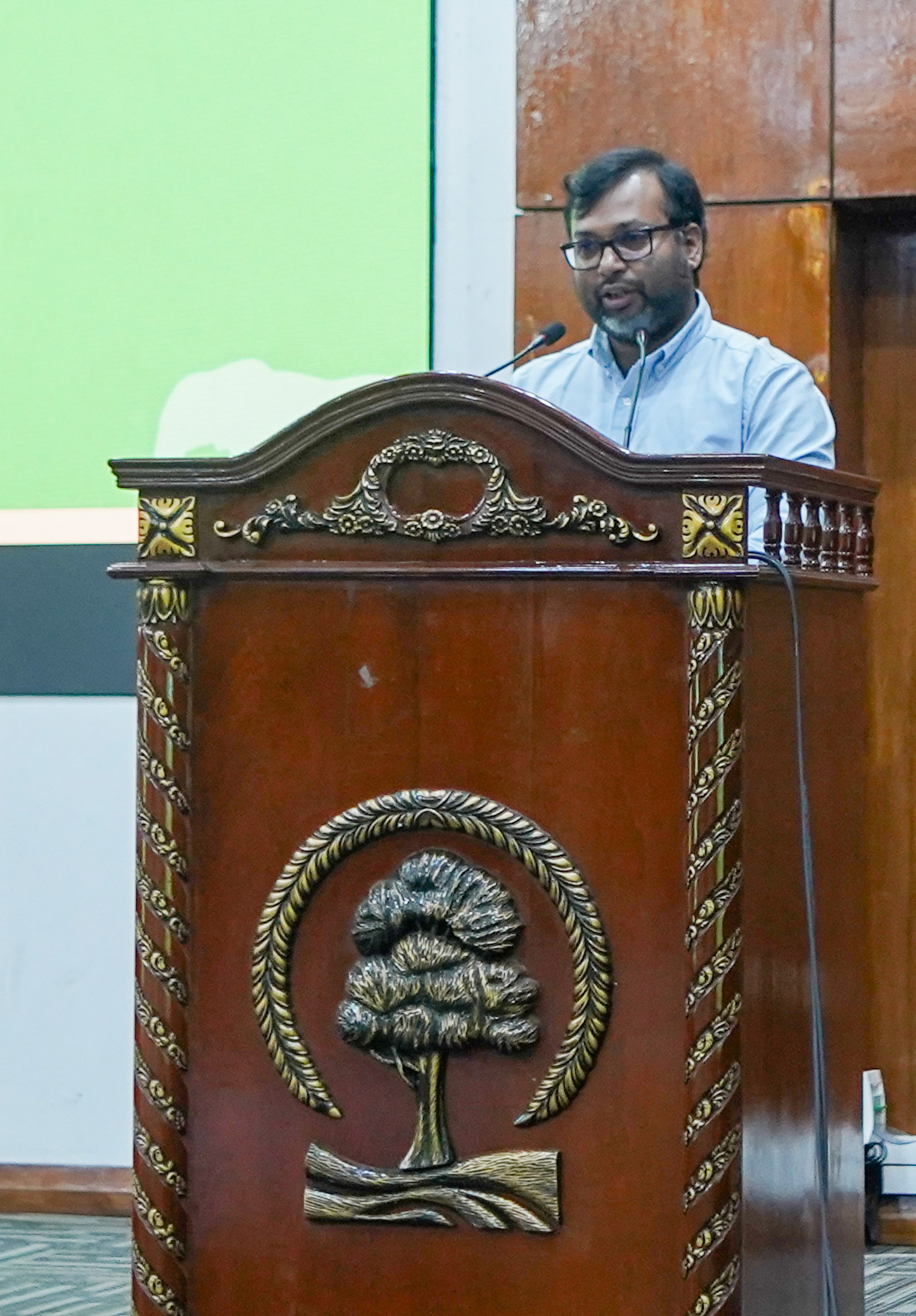
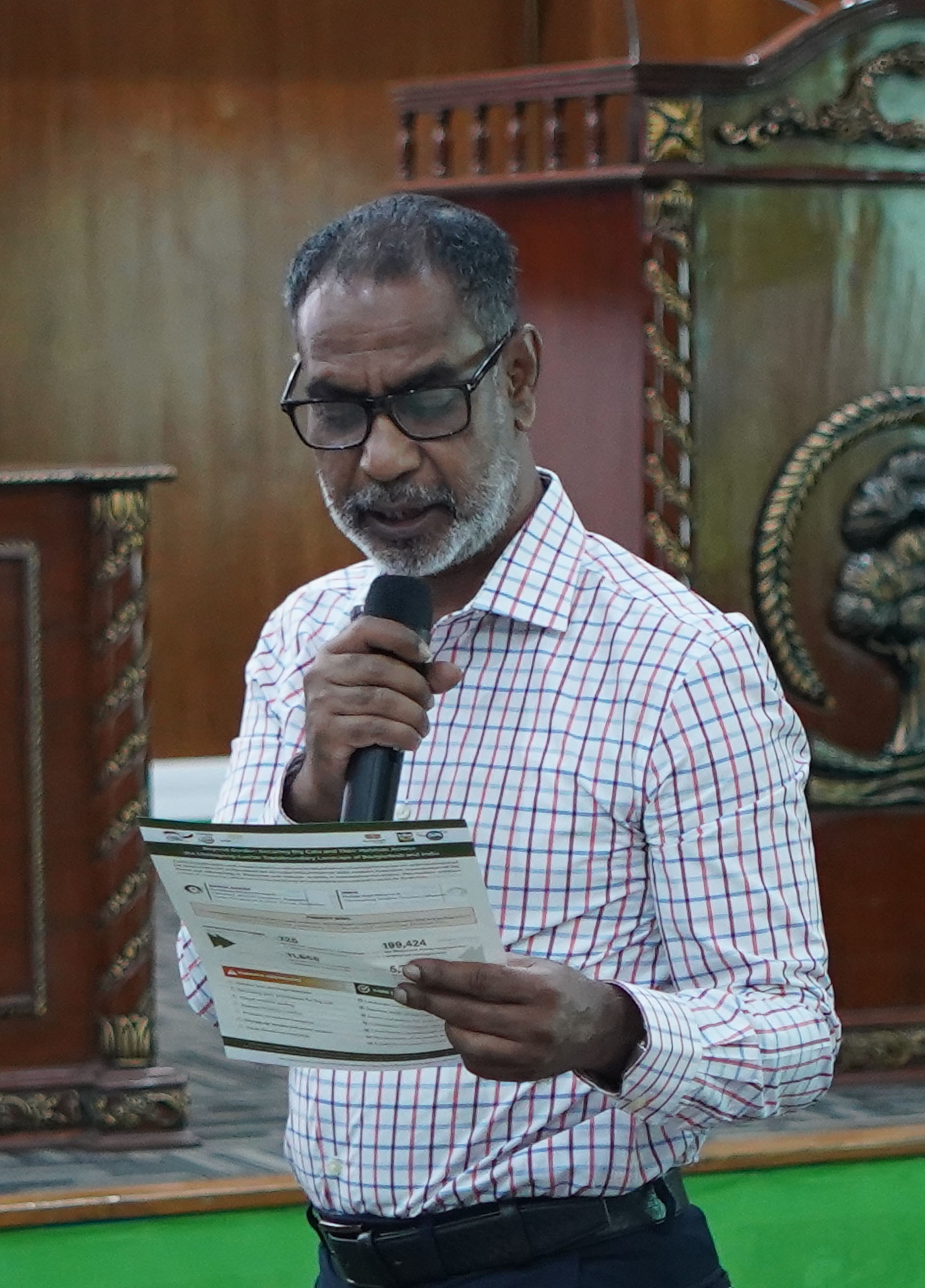
Across the forests of the Chittagong Hill Tracts, protecting big cats means protecting the habitats and communities that sustain them. At the national inception workshop of the Beyond Borders project, Forest Department officials, conservation experts and local partners outlined how habitat restoration, community livelihoods and transboundary cooperation can work together to secure these landscapes for the future.
A big cat does not recognize a border.
For wildlife moving through the forests of the Chittagong Hill Tracts, the line separating Bangladesh from India is a human boundary. What matters to the animal is whether the forest remains connected, whether prey is available, and whether the habitat is safe enough to move through.
That reality sits at the heart of Beyond Borders: Securing Big Cats and Their Habitats Across the Chittagong-Lushai Transboundary Landscape of Bangladesh and India, a 30-month initiative led by Arannayk Foundation in collaboration with the Bangladesh Forest Department and IUCN.
At the National Inception Workshop in Dhaka, conservation leaders, forest officials and technical experts gathered to discuss how that ambition can become practical action across the hill forests of Rangamati and Bandarban. Their message was clear: securing big cats will require more than protecting individual species. It will require restoring habitats, reducing pressure on forests, working with communities and building stronger institutional cooperation across the landscape.
Voices & Insights from Conservation Leaders
Md. Amir Hosain Chowdhury, Chief Conservator of Forests, Bangladesh Forest Department
Restoring degraded CHT habitats and protecting big cats requires strong institutional ownership and inclusive collaboration. By uniting all regional stakeholders and leveraging the Forest Department's infrastructure, this transboundary project can build a lasting, replicable model for wildlife conservation.
Md. Rakibul Hasan Mukul, Deputy Chief Conservator of Forests, Planning Wing, Forest Department
This project creates a vital footprint for big cat conservation and community partnership in the Hill Tracts. Small, local NGOs possess unmatched grassroots networks that central-level officials lack, making them indispensable partners for overcoming historical operational barriers in CHT.
Md. Moinuddin Khan, Deputy Chief Conservator of Forests, Forest Management Wing, Forest Department
To succeed in the CHT, we must bridge long-standing trust gaps through continuous stakeholder consultation. Collaborating with local partners ensures that forest restoration on government lands is actively recognized, protected, and integrated with regional leadership.
Md. Jahidul Kabir, Deputy Chief Conservator of Forests, Education & Training Wing, Forest Department
Reestablishing forest department presence and cross-border ecological connectivity with Dampa Reserve is vital. By addressing core community vulnerabilities like water scarcity alongside habitat restoration planning, we build genuine trust and lasting conservation success.
Dr. Md. Zaglul Hossain Deputy Chief Conservator of Forests, Social Forestry Wing, Forest Department
To ensure true sustainability, our field interventions must safeguard the delicate forest floor and native species. Aligning project activities directly with Forest Department priorities guarantees lasting conservation benefits.
Dr Mohammad Abdul Motaleb, Executive Director, Arannayk Foundation
We want the Forest Department to take the lead right from the start. By navigating ground-level sensitivities, offering alternative livelihoods to reduce pressure on core reserve forests, and maintaining complete budget flexibility, this project will establish an irreplaceable scientific baseline for national management.
ABM Sarowar Alam, Program Manager, IUCN Bangladesh
The Integrated Tiger Habitat Conservation Program (ITHCP) is a milestone global initiative. Over the last decade, tiger populations and habitats have increased by 40% across range countries, and this project will serve as a foundational blueprint for conserving big cats in the Chittagong Hill Tracts.
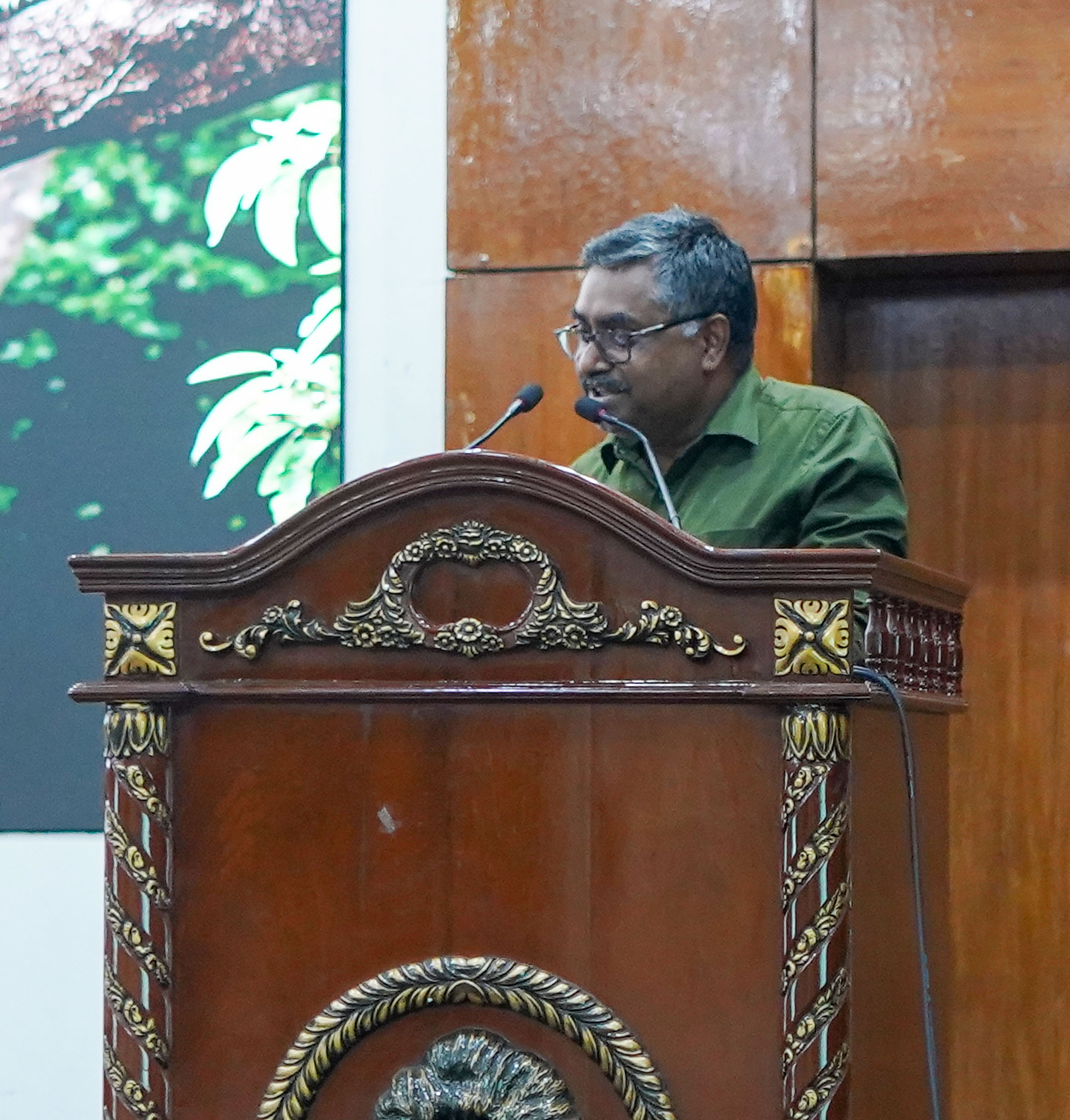
Dr Md. Modinul Ahsan Conservation Policy Advisor, Arannayk Foundation
Arannayk Foundation cannot work alone in the Reserved Forests or Protected Areas. We have always received support from the Forest Department, and for our shared objective of biodiversity, wildlife, and forest conservation, direct cooperation remains our strongest pillar.
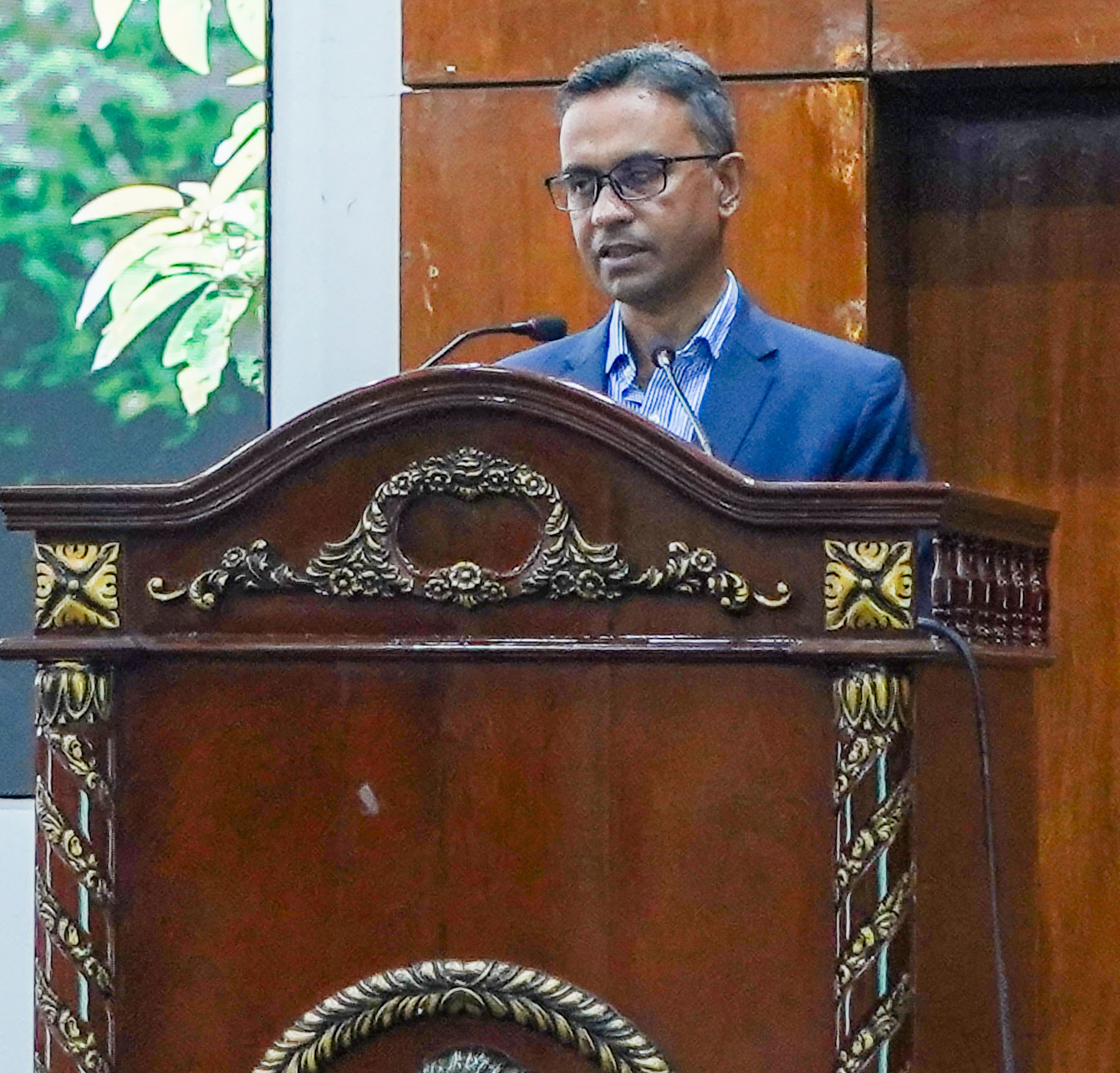
Mohammad Shamsuddoha Project Manager, Arannayk Foundation
Our Big Cat Conservation project combines cutting-edge ecological monitoring with a strict bottom-up approach. By supporting sustainable alternative livelihoods for 768 households with necessary capacity building training, we ensure that local communities become the true stewards of forest conservation.
R. S. M. Munirul Islam Conservator of Forests (Administration & Finance), Bangladesh Forest Department
Effective transboundary wildlife conservation requires formal inter-governmental diplomacy, clear restoration strategies, and close institutional alignment with the Forest Department for managing reserve forests.
Mohammad Golam Kuddus Bhuiyan, Divisional Forest Officer, Jhum Control Forest Division, Rangamati
Protecting hill ecosystems requires addressing over-harvesting habits and wildlife hunting through community motivation and awareness.
Md. Towfiqul Islam, Divisional Forest Officer, Bandarban Forest Division
Selection of sapling species is critical for ecosystem health. We must carefully coordinate with the Forest Department to ensure native forest species are prioritized over commercial horticulture in restoration zones.
Mostafizur Rahman, Divisional Forest Officer, Lama Forest Division
Community development initiatives must be thoughtfully positioned outside core reserve boundaries to prevent accidental encroachment and maintain long-term forest protection.
Mohammad Sohel Rana, Divisional Forest Officer, Chittagong South Forest Division
Preventing shifting land pressures requires long-term commitment. We must ensure alternative livelihood incentives effectively encourage communities to keep primary reserve forests untouched.
S. M. Sazzad Hossain, Divisional Forest Officer, CHT South Forest Division
To secure big cats and large mammals, we must first protect and restore their core habitats. When the natural ecosystem is whole and undisturbed, wildlife naturally thrives.
Sayad Mahmudur Rahman, Mammalogist, Development Planning Unit, Forest Department
Conducting synchronized baseline surveys across both sides of the border will provide the scientific foundation needed to design effective transboundary corridors.
Mohammad Abdul Awal Sarkar, Conservator of Forests, Rangamati Circle
A baseline survey of big cats is a tremendous asset for national conservation planning. Working closely with regional leadership and local headmen ensures smooth field execution.
Dr Molla Rezaul Karim, Conservator of Forests, Coastal Circle, Barishal
Aligning new field initiatives with existing national transboundary wildlife corridor studies maximizes efficiency and creates seamless connectivity for wildlife.
Mohammad Mizanur Rahman, Director, Wildlife Crime Control Unit (WCCU)
Direct measures to limit poaching, hunting, and illegal trade, alongside prey species conservation are indispensable for big cat survival.
From workshop discussion to field action
By the end of the workshop, the discussion had moved well beyond broad commitments.
The partners agreed on several practical directions. Restoration across 725 hectares will prioritize indigenous forest species. No physical infrastructure or commercial farming will be established inside core Reserve Forests. Forest Department officials will work alongside project teams in the field, while baseline datasets, GIS maps, camera-trap findings and management recommendations will be formally shared with the Department.
The project will also incorporate anti-poaching awareness, hunting mitigation and prey monitoring alongside big cat conservation. Alternative livelihood support will reach more than 700 forest-dependent families, while local organizations and traditional and regional institutions will be engaged to maintain community trust and support Free, Prior and Informed Consent.
These decisions give the project a practical foundation.
They also reflect a broader understanding of what conservation requires in the Hill Tracts. A camera trap can tell us where an animal is. A baseline survey can tell us what species remain. A restored forest can provide better habitat. But none of these, on their own, can sustain conservation over time.
That requires people, institutions and landscapes to work together.
The challenge ahead is substantial. So is the opportunity.
If the forests of Kasalong, Sangu and Matamuhuri can be restored, if communities can find sustainable alternatives to activities that place pressure on core forests, and if Bangladesh and India can strengthen ecological and institutional connections across the landscape, the project can leave behind something larger than a set of completed activities.
It can leave behind a stronger foundation for understanding, protecting and reconnecting the forests that big cats need to survive.
Because for wildlife, the forest does not end where the map does.
Mohammad Shamsuddoha is a Project Manger at Arannayk Foundation
Related Stories


Comments
Best wishes 💚