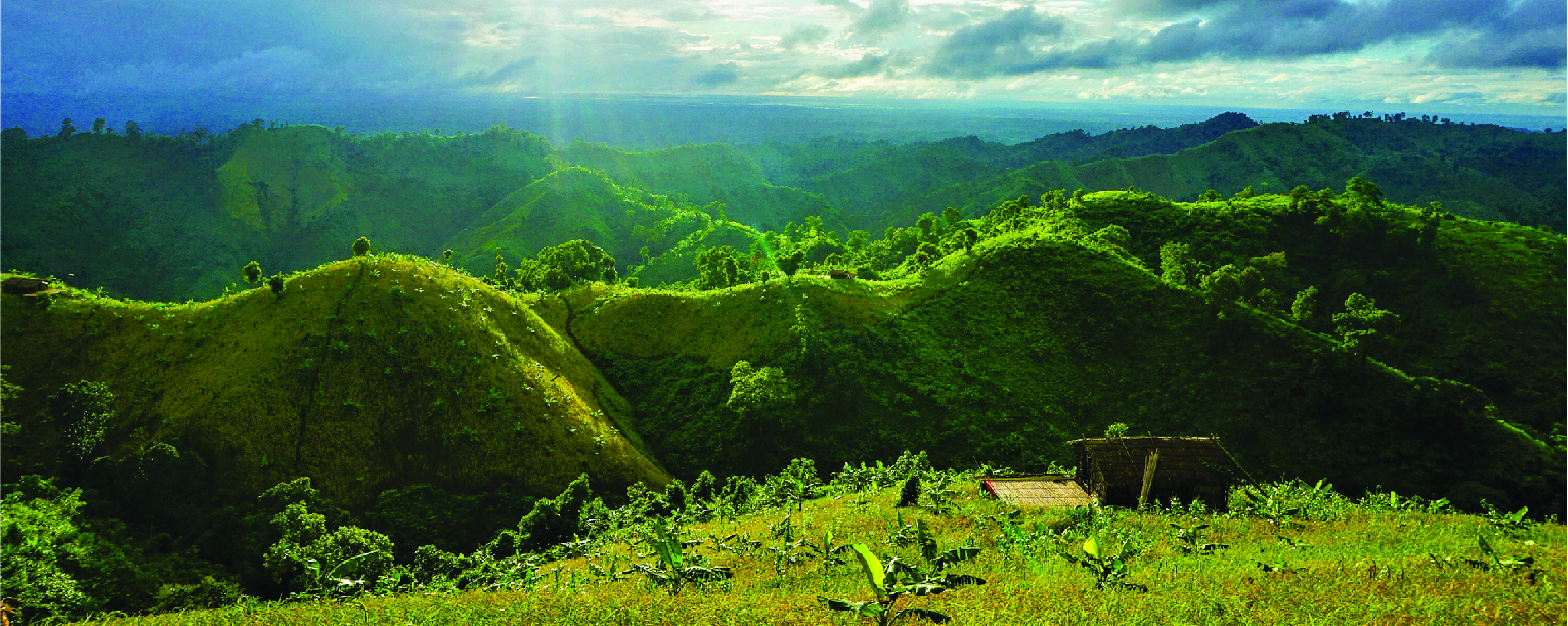
 © Md Rizwanur Rahman
Conservation of the forests is carried out by people who climb hills in intense heat and work through remote terrains, and behind them is an HR who fuels their zeal to keep moving forward. On this International HR Day, we shine light on the pivotal role of an HR officer in conservation.
When conservation is discussed, the focus usually remains on forests, biodiversity, wildlife, or climate. This is often measured through forests restored, biodiversity protected, or climate outcomes achieved. Far less attention is given to the people carrying that work forward every day, often through isolation, physical hardship, and emotional exhaustion.
Yet conservation, at its core, is deeply human work. Because protecting ecosystems today requires conscious collective action.
Across remote landscapes and difficult working conditions, countless individuals continue contributing their labor, expertise, resilience, and commitment to protect the only home we all share – this planet. Much of this work happens quietly, far from public attention.
At Arannayk Foundation, this connection between people and purpose is visible every day. From field teams working closely with communities to technical professionals, support staff, and leadership, every role contributes to a shared purpose. Conservation is not only about protecting nature, but also about supporting the people dedicated to that mission.
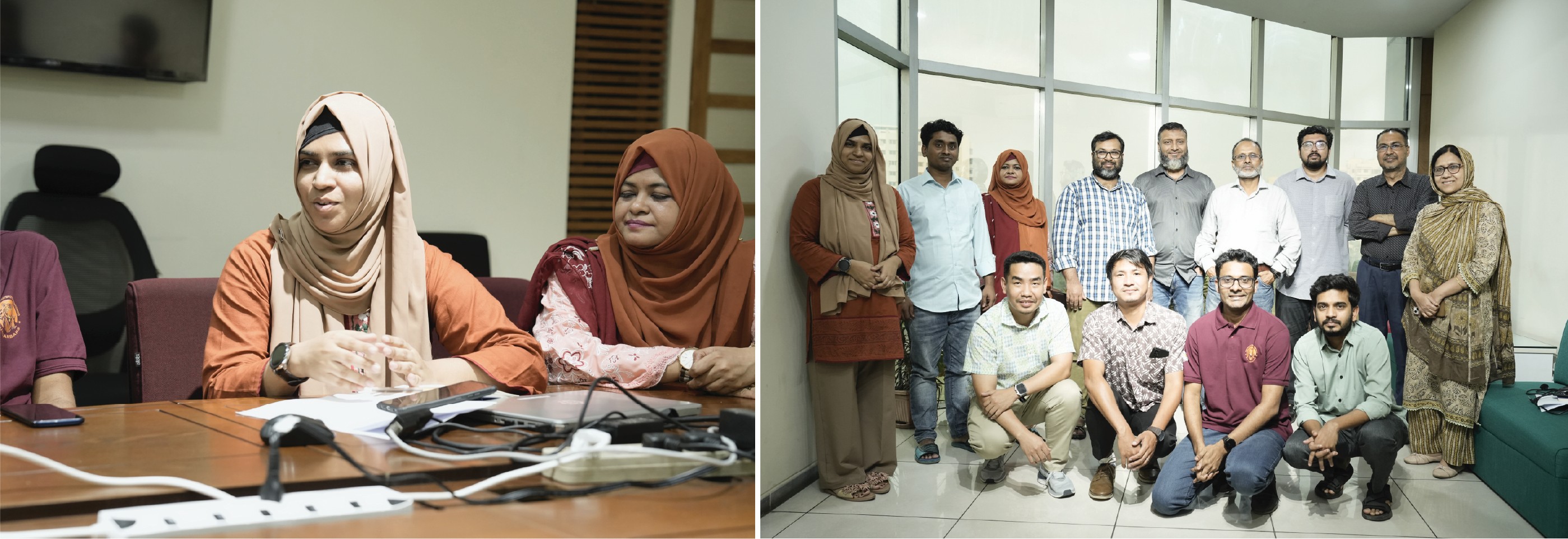 Author speaking at a workshop at the Arannayk Foundation Head office (Left); Author with the participants of a workshop at the Arannayk Foundation Head office (Right)) © Arannayk Foundation/Tashfiqur Rahman
This year’s International HR Day theme, ‘Empower People to Lead Change’, strongly resonates with the conservation sector because meaningful change is already being led by people working quietly behind the scenes, often without recognition.
HR goes far beyond systems, policies, or processes. It is equally about building trust, strengthening psychological safety, enabling growth, and creating an environment where people can contribute with dignity, purpose, and accountability.
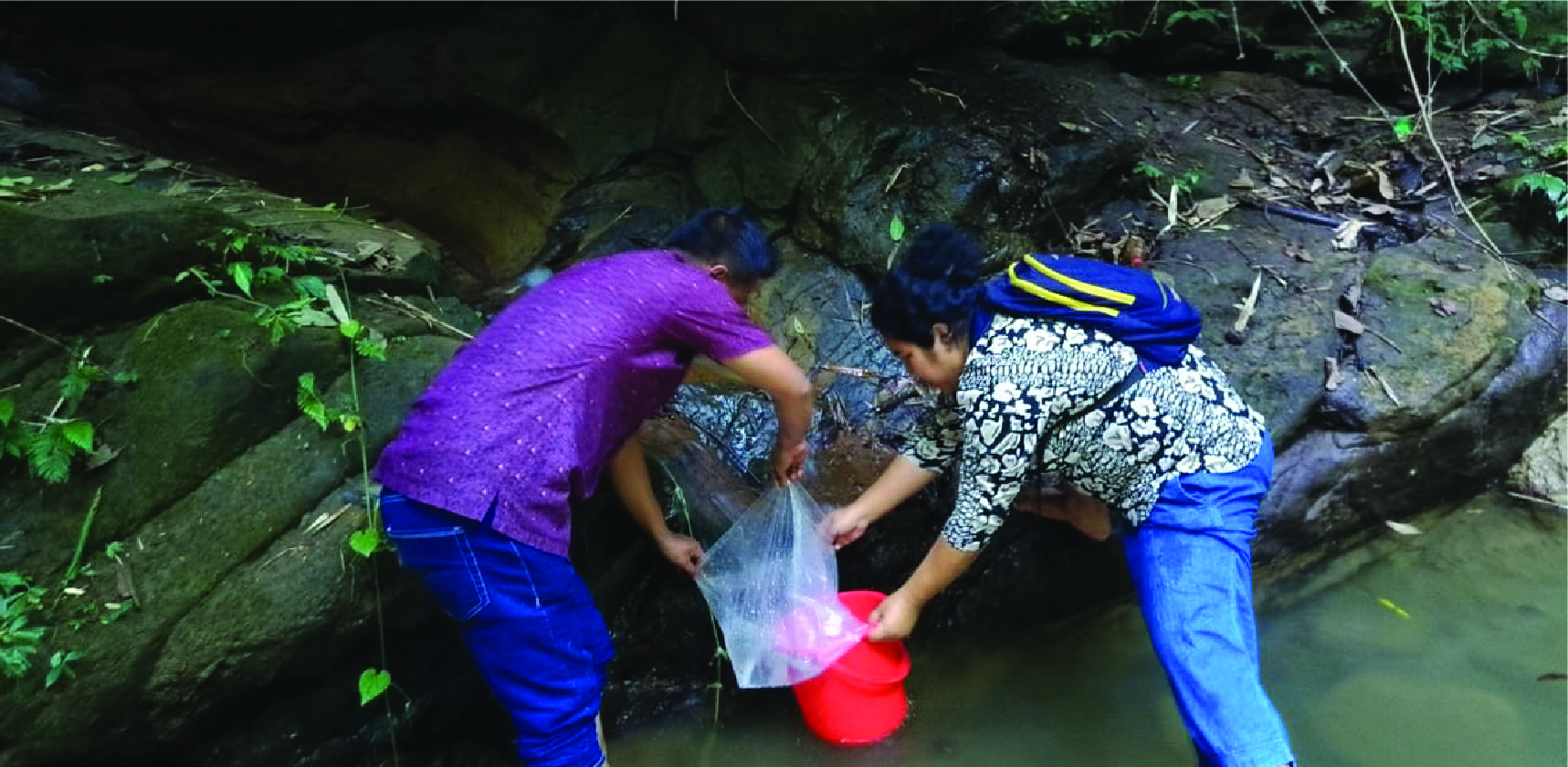 Water Discharge Measurement of a stream at a remote area in Bandarban © Arannayk Foundation Photo Library
During field interactions, our teams carry resilience every day. Colleagues travel through remote areas, work in harsh environments, and continue their responsibilities despite operational and emotional challenges. I have also seen experienced professionals quietly mentor younger colleagues while carrying enormous responsibilities themselves.
One experience that stayed with me was supporting a newly joined colleague who initially struggled to adjust to the workplace environment. Over time, I watched that individual gradually build confidence and grow professionally. These experiences reinforce how important empathy, guidance, and supportive workplace culture are for long-term growth.
Our leaders play a critical role in shaping organizational culture. Whenever we face challenges or make mistakes, they create room for learning, improvement, and support rather than fear or blame. That kind of environment helps people grow with confidence instead of hesitation.
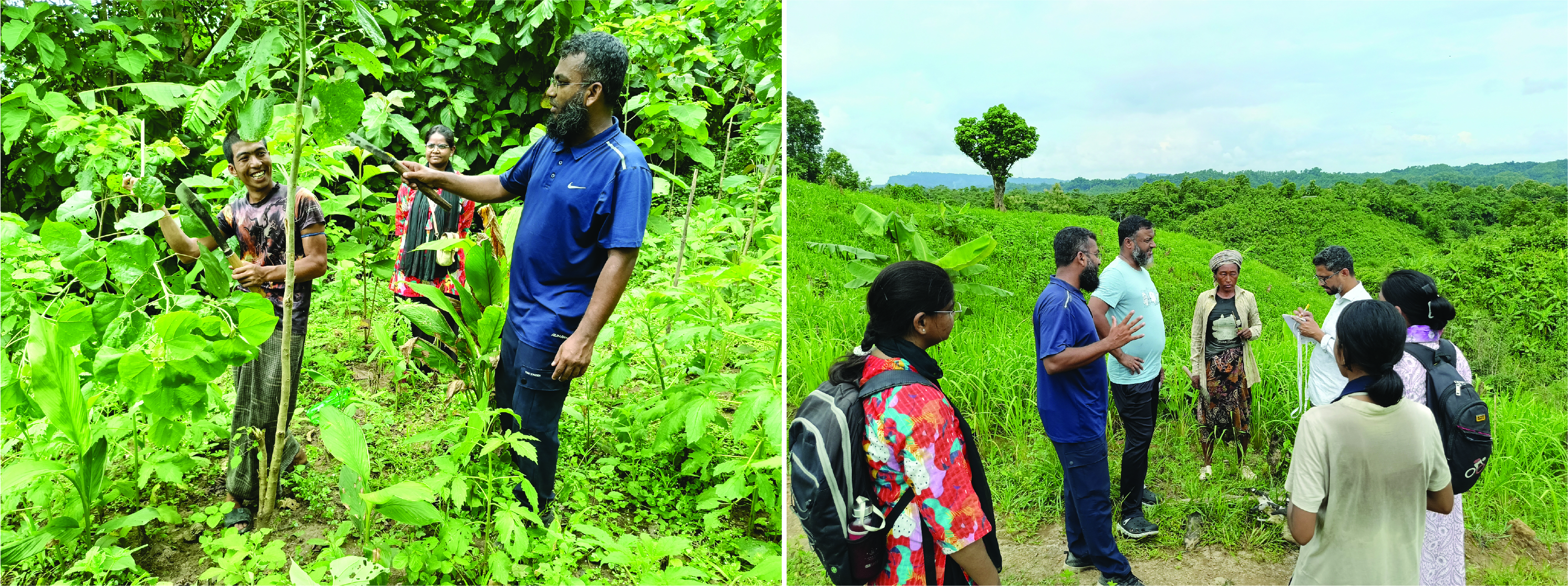 Project Manager with a volunteer in Bandarban (Left); MEAL officer tracking project progress during a field visit in Bandarban (Right) © Arannayk Foundation/Sumona Shobnom
Beyond responsibilities and deadlines, human connection also matters. During annual retreats, One Dish gatherings, and New Year celebrations at Arannayk Foundation, I saw colleagues share small joys, laugh together, take breathing space, and return reenergized as a team. These moments may appear simple, but they strengthen a stronger purpose of belonging, collaboration, and collective morale.
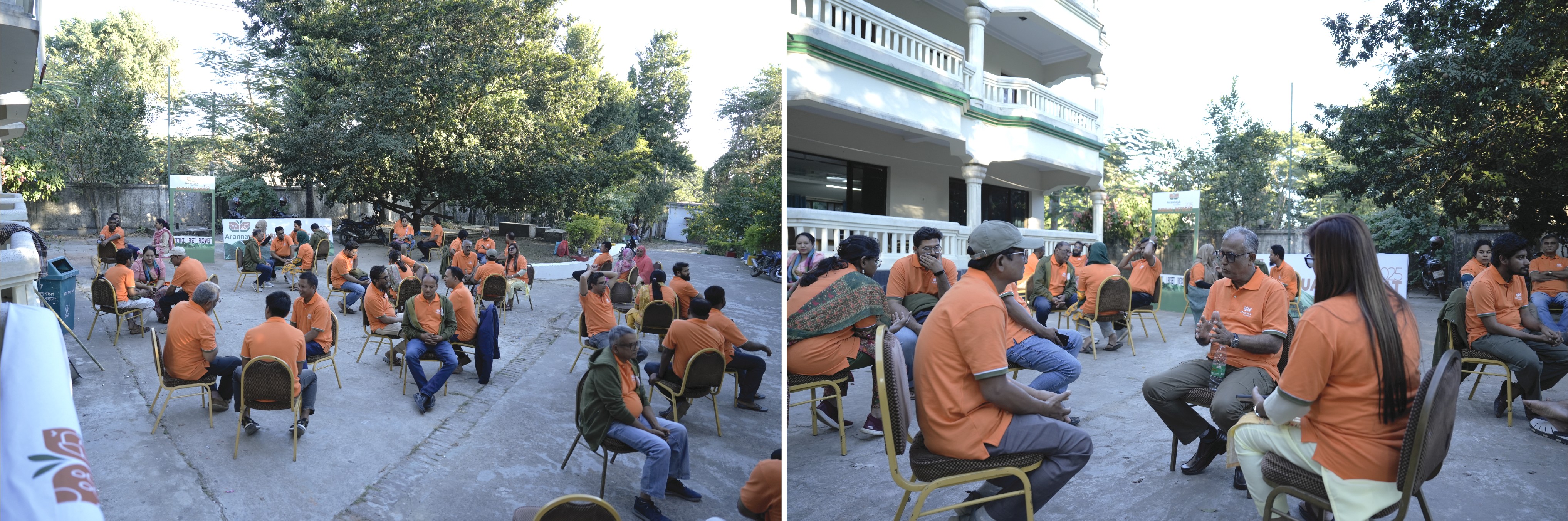 Peer Coaching Circle at the Annual Retreat of Arannayk Foundation © Arannayk Foundation/Arifur Rahman
As workplaces continue evolving through technological and organizational change, HR also carries the responsibility of ensuring that progress remains human-centered. Even in a rapidly changing world shaped by AI and digital transformation, empathy, trust, and well-being need to remain central to decision-making.
* The opinions expressed here are the author’s own and do not represent the official views of Arannayk Foundation.
Comments